Legal aspects that ensure your peace of mind when signing a purchase contract

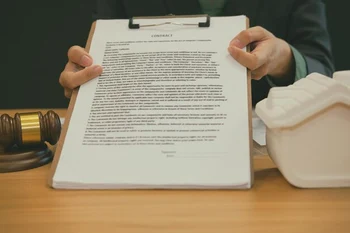
When acquiring a property, peace of mind is essential, and legal aspects play a crucial role in this process. Signing a purchase contract without proper advice can lead to unwanted surprises. In this article, we will explore the legal elements that will provide you with security and confidence when closing your deal, ensuring that every clause is in order and that your rights are protected. Don't leave anything to chance: learn how the notary can be your best ally in this important decision.
1. Importance of the Notary in the Purchase Process
The notary plays a fundamental role in the process of purchasing a property, as it is the entity responsible for providing public certification of the acts and contracts that are executed. By going to a notary, both the buyer and the seller can be assured that the transaction will be carried out within the appropriate legal framework. This means that all necessary documents will be thoroughly reviewed and it will be ensured that there are no encumbrances or liens on the property, which is essential to avoid future conflicts. The intervention of the notary provides an additional layer of trust and security for both parties.
Additionally, the notary ensures that all the terms of the contract are clear and fair. An experienced notary not only validates the signature but also advises the parties involved about their rights and obligations, thus avoiding confusing or harmful clauses. This advice is crucial to prevent misunderstandings and protect your interests during the purchasing process. In summary, having a notary at this stage allows you to close the transaction with peace of mind, knowing that you have taken all the necessary precautions to secure your investment and protect your assets.
2. Necessary Documentation to Formalize the Contract
When formalizing a purchase contract, it is essential to have the appropriate documentation that supports the transaction and guarantees your rights as a buyer. Among the essential documents are the deed of ownership, which certifies the seller as the legitimate owner of the property, and the certificate of freedom from liens, which ensures that there are no debts or encumbrances on the property. Additionally, it is advisable to request the receipt for payment of the property tax and other documents that may verify the legal status of the property. This documentation not only protects your investment but also facilitates the process at the notary.
Another crucial aspect is the personal identification of both the buyer and the seller. This includes copies of IDs or passports, as well as recent proof of address. The notary will play a vital role in this step, as they will be responsible for validating all the information presented and ensuring that both parties meet the necessary legal requirements to proceed with the contract. Collecting all this documentation before signing will allow you to address any potential issues from the start, providing you with peace of mind and confidence throughout the entire purchasing process.
3. Essential Clauses in a Purchase Agreement
The essential clauses in a purchase contract are the foundation that guarantees the legal security of the agreement between the parties. Among them, one of the most important is the detailed description of the property, which must include information such as location, dimensions, and specific characteristics. This clause not only provides clarity about what is being purchased but also helps to avoid future misunderstandings. In addition, it is vital to include the agreed price and payment conditions, specifying whether there will be financing or installment payments, as well as the deadlines for fulfilling these obligations. Another crucial aspect is the inclusion of a liability clause for hidden defects. This provision protects the buyer in case problems not evident in the property arise after the purchase. Furthermore, a clause regarding the delivery of the property and compliance with applicable legal regulations should also be contemplated, ensuring that the seller transfers the property free from encumbrances and liens. By paying attention to these essential clauses, you can sign your contract with greater confidence and peace of mind, knowing that your rights are safeguarded against any eventuality.
4. Consequences of Ignoring Legal Aspects in the Purchase
Ignoring the legal aspects in the purchase of a property can lead to extremely harmful consequences. Firstly, one of the most significant risks is the possibility of acquiring a property with hidden legal issues, such as unpaid mortgages or property disputes. This could not only result in the loss of the acquired asset but may also involve additional expenses and legal complications that could have been avoided with a proper review of the contract and the legal status of the property. Neglecting these details can leave you vulnerable to unexpected claims, affecting your financial and emotional security.
Furthermore, ignorance of the local and national laws that regulate the buying and selling of properties can lead to unintentional violations that result in penalties or fines. For example, if a contract contains abusive clauses or if the seller does not have the legal capacity to sell the property, you could face serious problems. Proper legal advice is essential to ensure that all the terms of the contract are fair and aligned with your interests. Do not underestimate the importance of having competent professionals; their expertise can be crucial in protecting your rights and ensuring a smooth buying process.
5. How to Verify the Legal Status of a Property
Verifying the legal status of a property is a fundamental step before signing any purchase contract. This process involves reviewing the registration status of the property, ensuring that it is free of liens, mortgages, or encumbrances. To do this, it is advisable to request a certificate of freedom and tradition from the corresponding property registry office. This document will provide you with information about previous owners, as well as any burdens that could affect your future acquisition. Additionally, make sure that the seller has the legal capacity to transfer the property; this means confirming that there are no legal restrictions or pending lawsuits that could complicate the transaction.
Another crucial aspect of this verification is checking compliance with urban planning and cadastral regulations. Ensure that the property has all the necessary permits and that its use is compatible with what is stipulated in the local urban planning plans. It is also advisable to conduct a thorough review of the property's tax history, verifying if there are any outstanding taxes that could affect you as the new owner. With all this information at your disposal, you will be able to make informed decisions and avoid potential legal issues in the future, thus ensuring your peace of mind when signing the purchase contract.
6. Buyer Protection: Rights and Obligations
Buyer protection is a fundamental component in any real estate transaction. When signing a purchase agreement, it is vital for the buyer to be aware of their rights and obligations. Among these rights is the ability to receive clear and truthful information about the property, as well as the right to conduct a thorough review of all documents related to the transaction. This includes ensuring that there are no liens or outstanding debts on the property, which could affect its value or future use. In this way, any unpleasant surprises after the purchase are avoided.
On the other hand, it is also important for the buyer to be aware of their obligations under the contract. These may include adhering to the agreed deadlines for making payments and ensuring that all necessary legal procedures are followed to formalize the purchase. Additionally, by signing the contract, the buyer commits to accepting the established conditions, so it is essential to read each clause carefully before proceeding. Being clear about both rights and obligations will allow the buyer to approach the transaction with confidence and peace of mind, knowing that they are making informed and secure decisions at every step of the process.
7. Role of the Notary: Beyond Signing Documents
The role of the notary goes far beyond the simple signing of documents; it is about a professional who acts as a guarantor of legality and transparency in real estate transactions. The notary has the responsibility to verify that all presented documents are in order, as well as to ensure that the parties involved fully understand the conditions of the contract. This includes explaining complex clauses and answering any questions that may arise during the process. By acting as an impartial witness and ensuring that all legal regulations are met, the notary provides an additional layer of security for both parties.
Additionally, the notary also plays a crucial role in protecting the buyer's rights. Their involvement ensures that the property is free from liens or hidden encumbrances, which is essential to avoid future legal disputes. Through their expertise, the notary can identify potential issues and suggest solutions before finalizing the contract. In this sense, having a good notary not only ensures a proper signing but also provides peace of mind knowing that you have made a secure and well-founded investment in your new home.
8. Steps to Take After Signing the Contract
After signing the purchase contract, it is essential to follow certain steps to ensure that the transaction is completed smoothly. First, make sure to obtain a signed copy of the contract and review it carefully. This document is the legal basis of your acquisition, so it must be in order and contain all the agreed terms. Additionally, check if there is any stipulated deadline for making the initial payment or any other commitment. Keeping a clear record of these details will help you avoid future misunderstandings.
Another crucial step is to coordinate with a notary or specialized lawyer to carry out due diligence on the acquired property. It is advisable to ensure that there are no liens or legal issues associated with it. Also, begin to manage the necessary transfers with the relevant authorities, such as the property registry, to formalize your ownership. These procedures are vital to securing your rights and protecting your long-term investment. With these actions, you will be able to enjoy your new property with the peace of mind you deserve.
Most viewed articles in the category Legal Aspects

Legal implications of confidentiality clauses in contracts
Discover the legal implications of confidentiality clauses in contracts and how they affect your business. Protect your valuable information today..
Legal consequences of force majeure clauses in contracts
Discover the legal implications of force majeure clauses in contracts and how they can affect your rights and obligations..

Legal consequences of errors in the drafting of deeds
Discover the serious legal consequences that can arise from errors in drafting deeds and how to avoid them to protect your interests..

Consequences of the lack of formality in legal contracts
Discover the serious consequences of not formalizing legal contracts. Protect your interests and avoid conflicts with this essential guide..