Legal Aspects That Will Clarify Your Real Estate Purchase Process

Buying a property can be an exciting process, but it is also fraught with legal risks that can complicate your experience. In this article, we will break down the essential legal aspects you need to know before closing a real estate deal in Costa Rica. Through thorough legal verification, we will help you avoid unpleasant surprises and ensure that your investment is safe and profitable. Get ready to discover how to protect your interests and simplify your buying process.
Importance of Legal Verification in the Real Estate Process
Legal verification is a crucial step in the real estate purchase process, as it ensures that the property you are considering does not have hidden issues that could affect your investment. This process involves reviewing the relevant documentation, such as the property title, existing liens and encumbrances, and the legal status of the seller. By conducting a thorough verification, you can identify potential irregularities or legal disputes that could complicate your acquisition. Ignoring this step could result in costly long-term problems, including litigation or financial losses.
Additionally, legal verification provides peace of mind by ensuring that you are purchasing a legitimate property free from debts or claims. In many cases, properties may have dark backgrounds related to unresolved inheritances or liens that could arise after the deal has closed. Having a lawyer specialized in real estate conduct this verification can be a smart investment, as their expertise will allow you to navigate the complex legal aspects of the process and protect your interests. Ultimately, proper legal verification not only safeguards your investment but also lays the foundation for a future without inconveniences related to your new home.
2. Key Documents for Legal Verification
To ensure a smooth real estate transaction, it is essential to have a series of key documents that allow for the verification of the property's legality. One of the most important is the title deed, as this document certifies who the legitimate owner is and whether there are any liens or mortgages associated. Additionally, it is vital to request a certificate of freedom from liens that certifies that the property is free of legal encumbrances. This way, you can be sure that you will not face claims from third parties after the purchase.
Another essential document is the cadastral plan and the public deed registered in the National Registry. The cadastral plan will provide you with detailed information about the boundaries and dimensions of the land, while the public deed ensures that all legal aspects of the transfer have been formally fulfilled before a notary. Don't forget to also check if there are any types of urban or environmental restrictions that could affect your project in the future. A thorough review of these documents will allow you to approach your purchase with confidence and peace of mind, minimizing risks in your real estate investment.
3. How to Conduct an Effective Title Search
To conduct an effective title search, it is essential to start by understanding the importance of this process in the context of real estate purchase. A clear and legitimate title not only ensures that the seller has rights over the property, but also protects the buyer from future legal disputes. To guarantee this, it is advisable to consult a lawyer specialized in real estate or a notary who can provide you with a detailed analysis of the title history. This examination should include the identification of liens, restrictions, or any other impediment that may affect your rights over the property.
It is also useful to access the National Registry to verify information about the current owner and any encumbrances associated with the property. Make sure to check for any outstanding mortgages or litigations that may compromise your acquisition. The search should cover all related documents, from previous deeds to certificates of lien release. Conducting this research carefully will not only provide you with peace of mind before finalizing the purchase but can also be a powerful tool for negotiating better terms in the deal. Remember that a good start in the title search can save you legal and financial complications in the long run.
4. Checking for Liens and Encumbrances on the Property
The verification of liens and encumbrances on the property is a crucial step in the real estate purchasing process. Before making any investment, it is essential to investigate whether there are mortgages, liens, or any other type of encumbrance that may affect the ownership or use of the property. These liens can limit your rights as an owner and, in some cases, could even lead to legal actions against you. Conducting a thorough search in the public records will allow you to understand the legal status of the property and provide you with a clear view of any outstanding obligations you may need to assume after the purchase.
It is also advisable to seek the advice of a lawyer specialized in real estate during this stage of the process. An experienced professional can help you interpret the information obtained and identify potential hidden risks. They can also manage the necessary negotiations to eliminate or resolve any existing burdens before proceeding with the transaction. This way, you will not only be protecting your investment but also ensuring that your new property is truly a safe home free of future legal issues.
5. Legal Aspects Related to Land Use
Land use is a crucial aspect in the real estate sector, as it determines how a property can be utilized and the activities that can be carried out on it. In Costa Rica, land use regulation is subject to local regulations that vary from one municipality to another. It is essential to verify whether the land you wish to acquire has the appropriate land use for your project, whether residential, commercial, or agricultural. Failure to comply with these regulations can result in legal penalties or restrictions that negatively impact your investment.
It is also important to consider the regulatory plans and zoning established by the municipal authorities. These plans can impose significant limitations on the future development of the property, such as maximum building heights, permitted densities, and areas reserved for public spaces. Therefore, before proceeding with the purchase, make sure to review these documents and consult with a lawyer specialized in real estate law. This way, you can ensure that your investment meets not only your immediate expectations but also the long-term legal requirements.
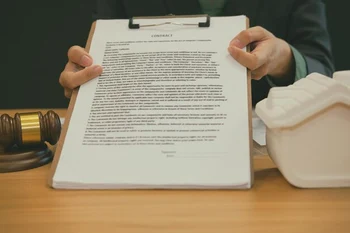
6. The Relevance of the Purchase Agreement Contract
The purchase and sale promise contract is a key document in the property acquisition process, as it establishes the conditions under which the transaction will take place. This preliminary agreement not only serves as a commitment between the parties involved but also provides a clear legal framework that protects the interests of both the buyer and seller. By signing this contract, the buyer secures their right to acquire the property at a specified future date, while the seller guarantees the delivery of the property under the agreed terms. This allows for greater peace of mind for both parties, knowing that there is a formalized commitment.
It is essential to pay attention to the details included in the purchase and sale promise contract, such as the precise description of the property, the agreed price, and the relevant dates for signing the final contract. Additionally, it is advisable to include specific clauses regarding possible contingencies or conditions that may arise during the process. These stipulations not only help avoid misunderstandings but also provide a means to resolve conflicts if unexpected issues arise before the final closing. In this way, having a well-drafted contract can be crucial to ensuring a smooth and successful real estate purchase experience.
7. Tips for Choosing a Real Estate Attorney
Choosing the right lawyer for your real estate purchase process is essential to avoid legal complications that may arise. When looking for a lawyer specialized in real estate, it is advisable to verify their experience and knowledge in the specific area of the local real estate market. Ask about previous cases, and ensure they are familiar with the regulations and laws in force in Costa Rica. A good professional should not only have a solid legal background but also a deep understanding of the particularities of the real estate sector in the region.
It is also crucial to consider the communication and transparency of the chosen lawyer. You should feel comfortable asking questions about each step of the process and receiving clear and concise answers. A dedicated lawyer will keep you informed about the progress and explain any document or contract you need to sign. Finally, seek recommendations from other buyers or real estate agents who have worked with lawyers in the past; this can provide you with valuable insight into their reputation and effectiveness in transactions similar to yours.
Most viewed articles in the category Legal Aspects

Legal implications of confidentiality clauses in contracts
Discover the legal implications of confidentiality clauses in contracts and how they affect your business. Protect your valuable information today..
Legal consequences of force majeure clauses in contracts
Discover the legal implications of force majeure clauses in contracts and how they can affect your rights and obligations..

Legal consequences of errors in the drafting of deeds
Discover the serious legal consequences that can arise from errors in drafting deeds and how to avoid them to protect your interests..

Consequences of the lack of formality in legal contracts
Discover the serious consequences of not formalizing legal contracts. Protect your interests and avoid conflicts with this essential guide..