Legal Aspects that Facilitate Your Home Buying Process

The purchase of a home is one of the most important decisions in anyone's life. However, the process can become overwhelming if one does not have the right information about the legal aspects involved. In this article, we will explore how legal verification can facilitate your home buying process in Costa Rica, ensuring that your investment is secure and hassle-free. Knowing your rights and obligations will allow you to make informed decisions and avoid unpleasant surprises.
What is legal verification in the housing context?
Legal verification in the housing context refers to the process of reviewing and analyzing all documentation related to a property before its purchase. This includes reviewing the title deed, existing encumbrances or liens, as well as the cadastral and registration status of the property. Ensuring that the property has a clear legal history is essential to avoid future inconveniences, as any irregularity could lead to legal issues that may jeopardize your investment. Legal verification not only provides peace of mind to the buyer, but also ensures that the acquisition process is conducted in accordance with current regulations.
This process involves working with qualified professionals, such as lawyers specialized in real estate law, who have the necessary experience to identify potential issues and offer appropriate solutions. By conducting this verification, buyers can detect situations such as liens, disputes over ownership, or any other legal matters that could affect the use and enjoyment of the property. Ultimately, having a clear report on the legal status of the property helps make more informed and secure decisions during the buying process, thereby protecting your long-term investment.
2. Necessary documents to verify ownership
To carry out a property purchase, it is essential to have the appropriate documentation that supports the legitimacy of the property in question. Among the most important documents is the title of ownership, which must be duly registered in the Registro Nacional. This document not only certifies who the legitimate owner of the property is but also guarantees that there are no liens or encumbrances on the property. Additionally, it is advisable to request a certificate of freedom from encumbrances to ensure that the property is free from mortgages, attachments, or any other type of legal limitation that could complicate your purchase.
Another essential document is the cadastral certificate, which provides information about the physical and legal characteristics of the property, as well as its exact location. This information is crucial to verify that the property matches what is offered by the seller and to avoid future disputes related to boundaries or dimensions. Additionally, you should check if there are any municipal regulatory plans that could affect land use or future projects in the area. Having all this information will allow you to make an informed purchase and minimize risks, thereby ensuring a secure investment in your new home.
3. The importance of the National Registry in real estate purchases
The National Registry plays a crucial role in the purchase of real estate, as it is the entity responsible for ensuring legality and transparency in real estate transactions. By accessing this registry, buyers can verify the legal status of a property, ensuring that there are no liens, mortgages, or legal disputes that could affect their future investment. This verification is essential to avoid unpleasant surprises and protect personal assets, as acquiring a property with legal issues can result in unexpected expenses and complications that could have been avoided.
Additionally, having an updated record provides security to both the buyer and the seller in the negotiation process. Certainty about the ownership of the property allows for more agile and reliable procedures. Furthermore, the Registro Nacional facilitates the obtaining of information about property backgrounds, which not only helps buyers make informed decisions but also contributes to promoting a safer and more orderly real estate market. In summary, knowing and properly utilizing the Registro Nacional is an essential tool for anyone interested in acquiring a home without legal complications.
4. How to identify liens or encumbrances on the property
When acquiring a property, it is essential to know if there are any encumbrances or liens that may affect its ownership and use. These restrictions can include mortgages, liens, easements, or other legal limitations that could compromise your investment. To identify these potential encumbrances, it is advisable to request a certificate of freedom from encumbrance at the National Registry. This document provides updated information about the legal status of the property and will allow you to know of any encumbrance that may exist on it.
In addition to the certificate, it is also useful to conduct thorough research on the property's history. This includes reviewing previous deeds and any documentation related to past transactions. Talking to neighbors or consulting a real estate attorney can provide you with additional insight into potential issues that may not be immediately apparent. By being well-informed about the encumbrances or liens associated with the property, you will be able to make more secure decisions and avoid future complications in your home purchase.
5. Contracts: What clauses are essential to protect you?
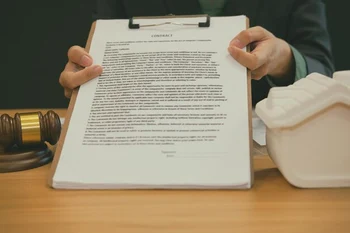
When acquiring a property, it is essential to have a contract that protects both your interests and those of the seller. Among the most essential clauses are a precise description of the property, the agreed price, and the payment conditions. It is important for the contract to clearly specify what is included in the sale, such as furniture or fixtures, to avoid future misunderstandings. Additionally, including a clause about the legal status of the property ensures that there are no liens or legal issues associated with the property that could affect your purchase.
Another crucial clause is the one related to deadlines and penalties in case of non-compliance. Make sure to set clear dates for the signing of the contract, the delivery of documents, and any other necessary procedures. This not only provides a clear timeframe for both parties but also protects you in case the seller does not fulfill their obligations. Finally, consider including a dispute resolution clause that stipulates how disputes will be handled, either through mediation or arbitration, which can save you time and legal expenses in the future.
6. The role of the notary in the purchase process
The notary plays a fundamental role in the process of purchasing a home, acting as a guarantor of legality and transparency in all real estate transactions. Their main function is to verify that the documents and contracts related to the purchase comply with current legal regulations. This includes reviewing property titles, payment receipts, and any liens or encumbrances that may affect the property. By having a notary, both the buyer and the seller can have peace of mind knowing that they are conducting a legitimate and secure transaction.
Additionally, the notary is responsible for formalizing the public deed of the property, which is a crucial step for the ownership to be legally recognized in the name of the new owner. This process not only involves drafting the corresponding document but also ensuring that both parties understand their rights and obligations before signing. The notary's advice can prevent future misunderstandings and ensure that all clauses are fair and clear. In summary, having a notary in your purchasing process not only facilitates the administrative management but also protects your long-term investment.
7. Legal consequences of failing to conduct proper verification
The lack of proper verification in the process of purchasing a home can lead to serious legal consequences. Among the most common risks is the possibility of acquiring properties with hidden liens, pending litigation, or issues related to ownership. These obstacles can not only jeopardize your investment but can also lead to complicated legal situations that require significant time and resources to resolve. Furthermore, if the property has undisclosed tax debts or mortgage encumbrances, as the new owner, you could be held responsible for settling those obligations, which could significantly impact your financial stability.
Another critical aspect is that by omitting a thorough verification, you could lose rights over the property or face lawsuits from third parties claiming interests in it. In some cases, this could even lead to the annulment of the purchase contract, leaving you without a home and without any compensation. By understanding the legal implications and conducting the necessary verifications, you not only protect your investment but also ensure a more transparent and secure process. Therefore, it is essential to have specialized legal advice that guides you through each stage of the real estate acquisition process to avoid unpleasant surprises and secure your future peace of mind.
8. Resources and tools to facilitate your legal research
To carry out effective legal research in the process of purchasing a home, it is essential to have resources and tools that help you obtain the necessary information. There are various digital platforms that offer access to databases on properties, ownership history, and legal encumbrances associated with each property. These tools allow for thorough searches that can reveal critical information about the legal status of the property, which is essential before making any decisions. Additionally, some specialized websites provide guides and informative articles that explain the rights of the buyer and the legal procedures involved in the acquisition of real estate.
Also, do not underestimate the value of consulting with professionals in the legal sector. Lawyers specialized in real estate law can provide personalized advice and help you interpret the legal documents related to your purchase. Many law firms also have online resources that facilitate access to standard forms and useful templates for formalizing contracts or carrying out specific procedures. Investing time in researching and using these tools will not only give you peace of mind during the process but also empower you to handle potential complications or misunderstandings that may arise in the real estate transaction.
9. Common cases of legal issues in residential purchases and how to avoid them
One of the most common legal issues in residential purchases is the lack of clarity regarding the ownership of the property. Many buyers assume that the seller is the legitimate owner, but this is not always the case. It is crucial to conduct a thorough search in the National Registry to verify that the property is free of liens and that the seller has the legal capacity to transfer it. Additionally, make sure there are no legal disputes or claims regarding the property, as this can greatly complicate your purchase and incur unnecessary additional costs.
Another aspect to consider is the purchase agreements. Often, buyers feel pressured to quickly sign an agreement without reading it carefully, which can lead to misunderstandings or unfavorable clauses. To avoid this, it is advisable to seek the advice of a real estate attorney who can help you interpret the terms of the contract and ensure that your rights are protected. A well-drafted contract should include all relevant details, such as payment conditions and deadlines, which will allow you to make a safer and more transparent transaction.
Most viewed articles in the category Legal Aspects

Legal implications of confidentiality clauses in contracts
Discover the legal implications of confidentiality clauses in contracts and how they affect your business. Protect your valuable information today..
Legal consequences of force majeure clauses in contracts
Discover the legal implications of force majeure clauses in contracts and how they can affect your rights and obligations..

Legal consequences of errors in the drafting of deeds
Discover the serious legal consequences that can arise from errors in drafting deeds and how to avoid them to protect your interests..

Consequences of the lack of formality in legal contracts
Discover the serious consequences of not formalizing legal contracts. Protect your interests and avoid conflicts with this essential guide..