Legal aspects that ensure your home purchase goes smoothly.

The purchase of a home is one of the most important steps in anyone's life, but it can also be a process full of legal complications. To ensure that your investment is protected and free from unpleasant surprises, it is essential to understand the legal aspects surrounding this transaction. In this article, I will guide you through the legal responsibilities you should consider to ensure a smooth purchase and enjoy your new home with peace of mind.
1. Importance of the sales contract: Keys for its proper drafting
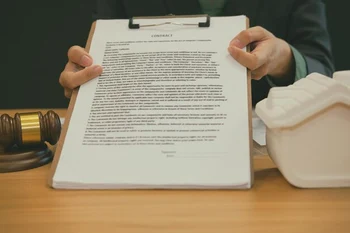
The proper drafting of a sales contract is essential to ensure that both parties fulfill their obligations and rights in the transaction. This document not only formalizes the agreement between buyer and seller but also establishes the terms and conditions that will govern the operation, avoiding future misunderstandings. Including accurate information about the property, such as its location, features, and legal status, as well as the payment and delivery conditions, is key to protecting your investment. Furthermore, a well-drafted contract should include clauses that address potential contingencies, which can be crucial if issues arise during the process.
It is also essential to ensure that the contract is reviewed by a legal professional specialized in real estate. A lawyer can help you identify complex legal aspects or potentially problematic clauses that may go unnoticed by an inexperienced buyer. The importance of this step lies in prevention; by having proper legal review, you can avoid future conflicts that could lead to costly and lengthy litigation. Ultimately, taking the time to properly draft the purchase agreement is an investment in future peace of mind and legal security when acquiring your new home.
2. Verification of ownership and registration records
The verification of ownership and the registration background is a crucial step in the process of buying a home. Before making any investment, it is essential to ensure that the seller is indeed the legitimate owner of the property. This involves reviewing the title deed and confirming that there are no liens, mortgages, or encumbrances that could affect the transaction. Conducting this check will help you avoid unpleasant surprises in the future and ensure that you are purchasing an asset that is completely free of legal burdens.
On the other hand, checking the property’s registration history is also essential to protect your investment. This procedure includes verifying if the property has been subject to prior litigation, as well as reviewing its history in the public registry. A thorough analysis can reveal hidden problems, such as family disputes over inheritance or zoning violations that could complicate your situation as a new owner. Ultimately, conducting a meticulous check provides you with the peace of mind needed to proceed with the purchase without additional concerns.
3. Taxes and fees: What you need to know before buying
When purchasing a home, it is crucial to consider the taxes and fees that arise from this transaction. Among the most common is the Impuesto de Transmisiones Patrimoniales, which varies by autonomous community and can represent a significant percentage of the purchase price. Additionally, it is important to consider other expenses such as the Impuesto sobre el Valor Añadido (IVA) in the case of buying a new home or the notarial and registration fees, which are necessary to formalize the deed and register the property in your name. Knowing these costs will allow you to set a realistic budget and avoid financial surprises.
You should also remember that there are other annual taxes related to property, such as the Impuesto sobre Bienes Inmuebles (IBI), which you will need to pay once you become a property owner. This tax varies depending on the municipality and is calculated based on the cadastral value of the property. You may also be subject to additional fees for municipal services or special contributions if you live in a private development. Being informed about all these tax obligations will help you make more informed decisions and ensure that your buying experience is as smooth as possible, without later concerns related to unforeseen financial obligations.
4. Rights and duties of the buyer in the real estate process
In the real estate process, both buyers and sellers have rights and duties that must be respected to ensure a fair and transparent transaction. As a buyer, one of your most important rights is to receive clear and truthful information about the property. This includes data about its legal status, existing encumbrances, as well as any potential issues that could affect your purchasing decision. Additionally, you have the right to conduct a thorough inspection of the property before finalizing the transaction, ensuring that there are no unpleasant surprises after you have moved in.
On the other hand, the buyer's duties are equally relevant. It is essential that you comply with the contractual obligations agreed upon in the purchase agreement and that you make payments on time and in the correct manner. You must also ensure that you have all the necessary documentation to carry out the transaction without inconveniences, such as your official identification and proof of income. By being aware of both your rights and your duties, you will be able to navigate the real estate process with greater confidence and security, minimizing the risk of future conflicts and fully enjoying your new acquisition.
5. The role of the lawyer in home buying: Is it really necessary?
The role of the lawyer in the home buying process is a crucial element that can make the difference between a successful transaction and one fraught with problems. Although it is not strictly mandatory to have a lawyer to carry out the purchase of a property, their presence offers multiple benefits that can be invaluable. A lawyer specialized in real estate has the necessary knowledge to review all the legal documents involved, ensuring that everything is in order and complies with current regulations. This includes analyzing the purchase contract, verifying the registration status of the property, and ensuring that there are no hidden liens or encumbrances that could affect your future investment.
Having a lawyer can provide you with greater peace of mind during the closing process. Buying a home involves multiple interactions with real estate agents, banks, and other stakeholders; a lawyer acts as your advocate and legal advisor every step of the way. Their expertise will allow you to anticipate potential issues and establish strategies to resolve any conflicts before they become serious problems. Therefore, while you can choose to handle the purchase on your own, having a professional by your side could save you time, money, and future headaches related to unexpected legal issues.
6. Conflict resolution: How to handle potential legal issues
Conflict resolution is a crucial aspect that cannot be overlooked when purchasing a home. Even with the best precautions and due diligence, there is always the possibility of facing legal issues, such as property disputes, title problems, or contract breaches. To effectively manage these situations, it is advisable to have the support of a real estate attorney who can advise you and represent your interests in any conflict that arises. Their expertise will help you better understand your rights and obligations, as well as the options available to resolve the situation.
In addition to having a lawyer by your side, it is essential to document all communications and interactions related to the purchase of your home. Keeping clear and organized records can be invaluable if a disagreement arises, as it will allow you to present concrete evidence if necessary. You may also consider including specific clauses in the purchase agreement that establish how conflicts will be resolved, opting for alternative methods such as mediation or arbitration. This way, you ensure not only the protection of your investment but also minimize the emotional and financial impact that these legal inconveniences may have in the future.
7. Practical tips to avoid fraud in property purchases
To avoid fraud in property purchases, the first thing you should do is conduct thorough research on the property and its owner. Verify that the person selling the property is indeed the owner and review the legal documents that prove it. This includes the title deed, the deeds, and any liens or encumbrances that the property may have. Additionally, you can consult public records or the cadastre for additional information about the property's history and ensure that there are no pending legal issues related to it.
Another practical tip is to have a real estate professional, such as a lawyer specialized in real estate or a trusted real estate agent. They will help you navigate the legal aspects of the transaction and can spot potential irregularities before they become a bigger problem. It is also advisable to use secure payment methods and document all transactions made during the process. By following these guidelines, you will significantly reduce the risk of being a victim of fraud and can enjoy your new home without unnecessary worries.
Most viewed articles in the category Legal Aspects

Legal implications of confidentiality clauses in contracts
Discover the legal implications of confidentiality clauses in contracts and how they affect your business. Protect your valuable information today..
Legal consequences of force majeure clauses in contracts
Discover the legal implications of force majeure clauses in contracts and how they can affect your rights and obligations..

Legal consequences of errors in the drafting of deeds
Discover the serious legal consequences that can arise from errors in drafting deeds and how to avoid them to protect your interests..

Consequences of the lack of formality in legal contracts
Discover the serious consequences of not formalizing legal contracts. Protect your interests and avoid conflicts with this essential guide..