Legal aspects that ensure a risk-free home purchase

The purchase of a home is one of the most important steps in anyone's life, but it can also be fraught with risks if one does not have the proper knowledge. In this article, we will explore the legal aspects that ensure a safe transaction without unpleasant surprises. From reviewing the contract to essential clauses, knowing these details will allow you to make informed decisions and protect your investment. Join us on this journey through the legal keys that will ensure your peace of mind when acquiring your home.
Buying a home is one of the most important decisions in anyone's life, and ensuring that this process is secure is essential. In Costa Rica, understanding the legal aspects surrounding property deeds can make the difference between a dream come true and an unexpected headache. This article will guide you through the essential elements that ensure a risk-free acquisition, helping you make informed decisions and protect your investment.
Buying a home is one of the most important steps in life, and ensuring that this process is carried out without risks is essential. In Costa Rica, understanding the legal aspects involved in property acquisition can make the difference between a dream fulfilled and a financial nightmare. This article will guide you through the notarial keys that guarantee a safe transaction, providing you with the knowledge needed to make informed decisions and protect your investment.
Buying a home is one of the most important steps in anyone's life, and doing so without understanding the legal aspects can be a great risk. In this article, we will explore the legal responsibilities that ensure a safe purchase and how to protect yourself against potential setbacks. Knowing your rights and duties will allow you to make informed decisions and enjoy your new home with peace of mind. Get ready to discover everything you need to know to avoid unpleasant surprises on the way to homeownership!
The importance of due diligence in home buying
The importance of the notary in the purchase of a home
1. The importance of verifying the property title.
1. The importance of the sales contract: key elements to consider
The sale and purchase of a property is formalized through a contract, which is a legal document that establishes the conditions and terms under which the transaction will take place. This contract is not only crucial for defining the rights and obligations of both parties but also serves as a protective tool against potential future disputes. It is essential that when drafting or reviewing this document, fundamental elements such as the precise identification of the involved parties, a detailed description of the property, the agreed price, and the payment conditions are included. Each of these aspects plays a vital role in ensuring that there are no misunderstandings during the process.
The verification of the property registry is a crucial step in the home buying process, as it ensures that the property is properly registered and free of encumbrances or liens. By consulting the registry, you can confirm who the legitimate owner is and whether there are any mortgages, foreclosures, or any other types of legal limitations that may affect your acquisition. This check not only gives you peace of mind knowing that you are dealing with a legitimate seller, but it also protects you against potential fraud that could complicate your investment in the future. Moreover, reviewing the property registry allows you to understand the history of the property and its legal evolution over time. This includes verifying if there have been changes in ownership or modifications in its use, which can impact your plans for the property. Ignoring this step could lead you to face subsequent legal conflicts, such as disputes over property boundaries or easement rights. Therefore, it is always advisable to have specialized legal advice to guide you through this process and ensure that all legal aspects are in order before making a formal offer on your future home.
The role of the notary is essential in the process of purchasing a home, as they act as a guarantor of legality and transparency in the transaction. Their main function is to verify that all the documents involved are in order and that there are no liens or encumbrances on the property. This means that the notary reviews the legal history of the property, ensuring that it is free of debts or legal disputes that could affect your future ownership. Without their intervention, you could face unpleasant surprises that could compromise your investment.
Due diligence in home buying is a fundamental process that allows buyers to ensure they are making an informed and secure decision. This procedure involves thoroughly researching all legal, financial, and structural aspects of the property before making an offer. This includes reviewing documents such as the title deed, existing liens or encumbrances, as well as verifying the physical condition of the property through technical inspections. By conducting this comprehensive investigation, the buyer can identify potential issues that could become significant risks in the future, which is essential for protecting their investment.
Furthermore, due diligence is not only limited to the property itself but also encompasses the legal and regulatory environment in which it is located. It is important to be aware of local regulations related to zoning, land use, and restrictions that may affect the housing. Additionally, it is advisable to consult with legal experts or reliable real estate agents who can guide the buyer through this complex process. By understanding all these variables and acting cautiously, future homeowners can minimize legal and financial risks, thereby ensuring a more pleasant experience when acquiring their home.
Additionally, the notary has the responsibility of formalizing the purchase agreement through a public deed, which gives the agreement between the buyer and seller an official and binding character. This step is crucial to protect the buyer's rights, as any subsequent breach can be legally claimed thanks to the notarial documentation. Furthermore, the notary is also responsible for managing the property registration with the competent authorities, thereby ensuring that your name is properly registered as the new owner. In summary, having a notary not only provides peace of mind during the purchasing process but also establishes a solid foundation to secure your future rights over the acquired property.
Additionally, it is important to consider additional clauses that may be relevant to your specific situation, such as deadlines for the delivery of the property, responsibilities in case of damages before closing, and conditions regarding possible cancellations. A well-structured contract can eliminate many uncertainties and provide greater clarity on what is expected from each party. Likewise, having appropriate legal advice when drafting this document will ensure that all essential elements are included and compliant with current regulations, which minimizes future legal risks. In summary, paying attention to the details of the purchase agreement is essential for achieving a secure and smooth transaction.
2. Legal background review of the property: how to avoid surprises
2. Key elements in the purchase agreement
2. Necessary documentation for the closing of the purchase
2. Necessary documentation before closing the deal
To carry out a risk-free home purchase, it is essential to have the proper documentation before closing the deal. This includes, first and foremost, the verification of the title of ownership. Make sure that the seller is the legitimate owner and that there are no liens or mortgages that could complicate the transaction. Requesting a certificate of freedom from liens is a recommended practice, as it will allow you to confirm that the property is free of legal encumbrances and that you can acquire it without additional worries. Additionally, reviewing the registration history can help you identify any previous legal disputes related to the property.
To finalize the purchase of a home, it is essential to have the appropriate documentation that supports and validates the transaction. First, the buyer should request from the seller an updated title of ownership that demonstrates their rights over the property and that it is free of liens or encumbrances. This document should be reviewed meticulously to ensure that there are no legal disputes or liens associated with the property. Additionally, it is recommended to obtain a certificate of no municipal debt, which confirms that there are no pending taxes related to the property. This verification is crucial to avoid unpleasant surprises after the purchase has been completed.
The purchase agreement is an essential document in the process of acquiring a home, as it formalizes the agreement between the buyer and the seller. Key elements that it must contain include the complete identification of both parties, including their personal data and marital status. Additionally, it is crucial to describe in detail the property subject to the transaction, specifying its location, boundaries, and relevant characteristics. These details not only ensure clarity in the operation but also protect both parties from future legal conflicts regarding the property.
The review of the legal background of the property is a fundamental step that should not be underestimated when acquiring a home. Before committing to a purchase, it is essential to investigate the legal history of the property to ensure that there are no encumbrances, liens, or pending litigation that could affect your ownership in the future. This includes verifying the ownership of the property, ensuring that the seller has the legitimate right to sell it and that there are no claims from third parties. Additionally, it is advisable to consult the public property registry to obtain information about possible mortgages or other limitations that could complicate your transaction.
Another crucial aspect to consider is the review of the licenses and permits associated with the property. Ensure that all constructions have the necessary permits and are properly registered, as any irregularity can lead to penalties or even the demolition of the property. It is also wise to inquire about the conditions of the immediate environment, such as zoning restrictions or future development plans in the area, as these factors can significantly influence the value and enjoyment of your future home. In summary, thorough research will help you avoid unpleasant surprises and ensure a risk-free purchase.
Another crucial aspect is the inclusion of the agreed price and payment conditions. This may include information about down payments, deadlines, and financing methods, which provides a clear framework for both parties throughout the process. Additionally, it is recommended to include clauses that address possible contingencies or defaults, thus ensuring additional protection in case unforeseen events arise. In summary, paying attention to these key elements in the writing not only facilitates a smoother transaction but also prevents unnecessary risks in the purchase of your home.
Additionally, it will be necessary to collect other documents such as a copy of the buyer's and seller's identification, as well as to carry out a notarial procedure to formalize the purchase agreement before a lawyer specialized in real estate. This professional will be responsible for ensuring that all documentation is in order and complies with current legal regulations. Signing before a notary provides greater legal security to both parties involved in the transaction, ensuring that rights and obligations are clear and properly recorded. Having this documentation is essential not only to protect your investment but also to facilitate future procedures related to the acquired property.
Another key document is the sales contract, which must be drafted clearly and precisely to avoid future misunderstandings. This contract should include detailed information about the terms of the agreement, such as the price, the payment method, and the deadlines set for the delivery of the property. It is also advisable to verify that all urban planning regulations are met and that the property has the necessary licenses for occupancy. Having all this documentation in order will not only protect you against potential legal issues, but it will also facilitate a smoother process when formalizing your new acquisition.
3. Contracts: which clauses cannot be missing
3. Legal certifications: what are they and why are they crucial?
3. Rights and obligations of the buyer and seller
3. Contractual clauses: ensuring your rights as a buyer
When purchasing a property, it is essential to pay attention to the contractual clauses included in the sales agreement. These clauses not only define the terms of the transaction but also protect your rights as a buyer. It is advisable to ensure that the contract details essential aspects such as the price, the payment method, and key dates for the delivery of the property. Additionally, including clauses about possible penalties for non-compliance can be crucial to safeguard your investment and avoid unwanted surprises in the future.
The rights and obligations of buyers and sellers are fundamental in the home purchasing process. For the buyer, one of their most important rights is to receive the property in the conditions agreed upon in the contract, which includes both its physical state and the corresponding legal documentation. Additionally, they have the obligation to make the agreed payments in a timely manner, as well as to conduct due diligence to ensure that there are no liens or legal issues related to the property. By understanding these aspects, the buyer can protect their investment and avoid unpleasant surprises. On the other hand, the seller also has rights and duties that must be respected to ensure a fair transaction. Among their rights is to receive full payment before or at the time of delivery of the property, as well as to have access to the necessary documents that demonstrate legitimate ownership of the asset they are selling. In terms of obligations, they must provide truthful information about the condition of the property and ensure that there are no hidden encumbrances. A clear understanding of these rights and obligations by both parties contributes to a more transparent and secure process, significantly reducing the risk of future conflicts.
Legal certifications are documents issued by government entities that verify the legal status of a property. These reports may include aspects such as the status of the property registration, possible liens or mortgages, and the accuracy of the physical dimensions of the property. Ensuring that you have these certifications before making any transaction is essential, as they provide clarity regarding the legality and security of the property you are considering acquiring. Without this legal backing, you could face unpleasant surprises that not only jeopardize your investment but also your peace of mind.
When acquiring a property, it is crucial that the sales contract includes certain clauses that protect your interests and ensure a secure transaction. The first of these clauses is the detailed description of the property, which must include information such as the exact location, measurements, and specific characteristics of the property. This not only ensures that you are buying what you truly want, but also prevents confusion or misunderstandings in the future. Additionally, it is essential to include a section on the legal status of the property, where it is certified that there are no encumbrances or liens on the property.
Another essential clause is the payment method and the conditions related to this aspect. The agreed price, payment deadlines, and any financing options, if applicable, must be clearly established. It is advisable to include a penalty clause in case of breach by either party to protect yourself against possible setbacks. Additionally, consider adding a provision regarding the warranties offered by the seller concerning hidden defects: this will give you peace of mind knowing that you can claim if you discover serious issues after the purchase. In summary, a well-structured contract not only reflects an agreement between parties but also serves as your best legal defense against future inconveniences.
The importance of legal certifications lies in their ability to prevent fraud and future issues related to property. For example, if you buy a property without verifying its legal background, you might later discover that there are disputes over its ownership or that it is subject to liens. By obtaining updated and reliable certificates, you ensure that all aspects related to the property are in order and that you comply with local regulations. This step not only protects you as a buyer but also fosters a more transparent and secure real estate environment for everyone involved in the buying process.
Another vital aspect is the clauses related to the condition of the property and its possible hidden defects. It is advisable to request a warranty or a period during which you can make claims if non-evident problems arise at the time of purchase. Likewise, consider including provisions regarding responsibilities in case legal issues related to the property arise, such as disputes over boundaries or easements. By understanding and negotiating these clauses properly, you will be taking an important step toward a safe purchase with no unnecessary risks.
4. The role of the notary: its fundamental role in real estate transactions
4. Essential clauses to avoid surprises
4. Analysis of encumbrances and liens on the property
4. Buyer's rights against the seller
The buyer's rights against the seller are fundamental to ensuring a fair and transparent transaction in the purchase of a home. First, the buyer has the right to receive truthful and complete information about the property they are acquiring. This includes details about the physical condition of the home, any encumbrances or liens that may affect the property, and the legal situation of the seller. It is essential for the buyer to feel empowered to request documentation that supports these claims and for the seller to be obliged to provide it without reservations, as this helps to prevent future conflicts.
The analysis of liens and encumbrances on the property is a crucial step in the home buying process, as it allows the buyer to know if there are any restrictions or debts associated with the property. A lien can be a mortgage, a tax lien, or any other type of obligation that may affect the right to use and enjoy the property. When conducting this analysis, it is essential to obtain an updated registry report that reveals any existing encumbrances. This not only ensures transparency in the transaction but also protects the buyer from unpleasant surprises in the future.
In the process of purchasing a home, it is crucial to pay attention to the clauses included in the contract. These clauses are the terms and conditions that govern the transaction and can protect both the buyer and the seller. For example, it is vital to include clauses that clearly specify the legal status of the property, as well as any encumbrances or liens that may exist. In this way, unpleasant surprises related to debts or restrictions on the property after the purchase are avoided. Ensuring that these clauses are clear and precise will allow you to have a complete understanding of what you are acquiring.
The role of the notary is essential in the home buying process, as they act as an impartial and professional intermediary who guarantees the legality and security of the transaction. Their main role is to verify the identity of the parties involved, ensure that all documents are in order, and provide public faith in the legal act being carried out. This includes a thorough review of the purchase contract, where the rights and obligations of both the buyer and the seller are established. With a notary involved, both parties can have the necessary confidence to proceed in the process without fear of future legal complications.
Additionally, the notary has the responsibility to inform about the legal implications of the transaction, allowing buyers to make more informed decisions. This includes clarifying aspects related to liens or encumbrances on the property, as well as possible limitations on the use of the property. Their involvement not only provides legal security but also protects the economic interests of those involved, preventing fraud or misunderstandings. In summary, having a notary in the real estate process is not just a formality; it is a fundamental guarantee to ensure a safe and risk-free purchase.
Another essential clause is the one that sets the conditions for the delivery of the property. This includes specific deadlines for the delivery and any prior requirements that both parties must meet before the transfer. An important aspect to consider is the inclusion of clauses related to possible contingencies, such as inspection failures or financial issues on the part of the seller. By addressing these details in the contract, you can minimize the risks associated with unexpected surprises and ensure a smooth transition to your new home. With careful attention to these essential clauses, you can proceed confidently with your real estate investment.
It is also advisable to consult with a lawyer specialized in real estate during this stage to correctly interpret the findings of the registration report. In some cases, encumbrances may be negotiable or even removed before finalizing the purchase. Ignoring this aspect may result in later legal complications, such as lawsuits from creditors or restrictions on the future sale of the property. Therefore, conducting a thorough analysis not only contributes to a safer purchase but also provides peace of mind to the new owner, ensuring that their investment is free from hidden legal issues.
Additionally, another key guarantee is the right to protection against misleading or fraudulent practices. If a seller omits relevant information or provides false data with the aim of closing a sale, the buyer has the option to claim damages. This not only covers issues related to defects in the property but also aspects such as problems with building permits or local regulations. Knowing these rights allows the buyer to act proactively in the face of any irregularities, thus ensuring that their investment is protected and remains within the appropriate legal framework.
5. Risks of buying properties with liens or encumbrances
5. Public writing: its role in legal security
5. The role of the notary in the purchase of a home
5. Taxes and associated costs: financial planning for the purchase
The purchase of a home is not limited solely to the price of the property; it also involves a series of taxes and associated costs that must be considered in financial planning. Among these are the property transfer tax, notary fees, as well as registration and appraisal fees. It is essential for buyers to be aware of these obligations to avoid unpleasant financial surprises at the time of closing the transaction. A well-structured budget should include all these additional costs, which will allow for a clear view of the total amount to be disbursed.
The notary plays a crucial role in the home buying process, acting as a guarantor of the legality and authenticity of the transaction. Their main function is to verify that all documents involved are in order and comply with current regulations, which includes a thorough review of the title deed and other relevant documents. Additionally, the notary is responsible for formalizing the public deed of sale, ensuring that both parties —seller and buyer— fully understand the terms of the agreement. This not only provides security to the parties involved but also helps prevent future legal conflicts related to the property.
The public deed is a fundamental document in the process of purchasing a home, as it serves as a legal backing that guarantees the authenticity of the transaction. This type of deed, drawn up by a notary public, not only formalizes the sale but also provides a series of guarantees for both the buyer and the seller. As a solemnly protocolized act, the public deed has evidentiary strength and is considered an official document before the authorities. This means that any dispute related to the property can be resolved more easily due to its legal validity.
One of the greatest risks when buying a property is the possibility that it is subject to liens or encumbrances. These are rights that third parties may have over the property, which means that if not managed properly, you could end up buying a house that may be at risk of being claimed by a creditor. When acquiring a home with liens, you could face the obligation to settle the debts of the previous owner before you can fully enjoy your new home. This not only involves an unexpected expense but also a complicated legal process that can become an emotional and financial burden.
To protect yourself against these risks, it is essential to conduct thorough research on the legal history of the property before making the purchase. This includes requesting a certificate of encumbrances from the public registry and consulting with a lawyer specialized in real estate. Additionally, make sure to apply the principle of transparency: request all documentation related to the property and check for any pending legal conflicts. Understanding the legal status of the property in detail will allow you to make informed decisions and avoid unpleasant surprises that could affect your investment and peace of mind in your new home.
Furthermore, the public deed plays a crucial role in legal security by ensuring that all aspects of the agreement are properly recorded and fulfilled. This includes verifying that the property is free of liens or legal burdens that may harm the buyer in the future. Additionally, this document protects the rights of the new owner against third parties, offering an additional layer of security against potential claims. In summary, having a public deed not only legitimizes the real estate transaction but also provides peace of mind and confidence to the investor in their new acquisition.
In addition to their role in drafting and formalizing the contract, the notary also has the duty to advise buyers about their rights and obligations. This includes informing them about taxes associated with the purchase, such as the property transfer tax, as well as other additional expenses that may arise during the process. Therefore, having a trustworthy notary not only facilitates a smoother and more transparent transaction but also provides an additional layer of protection for buyers by ensuring that they are fully informed before making such a significant investment.
It is also advisable to consult with a financial advisor or a real estate attorney to better understand how these taxes may vary according to geographical location and local regulations. Early planning not only facilitates a smoother purchase but also helps avoid potential legal issues related to late payments or misunderstandings about tax obligations. Knowing and properly managing the associated taxes and costs will enable you to make informed decisions that will protect your investment in the long term.
6. Conflict resolution: what to do in case of a contractual breach
6. Legal consequences for lack of proper documentation
6. Registration process in the National Registry
6. The role of the notary in the real estate transaction
The notary plays a fundamental role in the real estate transaction, acting as a guarantor of the legality and transparency of the process. Their main function is to provide public faith in the acts carried out in a purchase and sale, ensuring that all parties involved comply with the established legal requirements. This includes verifying the identity of the buyers and sellers, as well as thoroughly reviewing the necessary documentation to formalize the contract. A duly accredited notary not only ensures that the rights of all involved are respected but also prevents possible fraud or misunderstandings.
The registration process in the National Registry is a crucial step that ensures the legality and protection of your investment in real estate. Once you have closed the purchase of the property, it is essential to carry out this procedure to formalize your ownership before the relevant authorities. Registration not only validates your property rights but also provides a means to prevent future legal conflicts related to the property, such as claims about its ownership or liens. This process involves submitting all necessary documentation, including the sales contract and relevant notarial documents, ensuring that all requirements set by law are met.
The lack of proper documentation can lead to serious legal consequences that compromise the security of your real estate investment. In Costa Rica, the deed is the document that grants legitimacy to the property, and its absence or irregularity can open the door to prolonged litigation or even loss of the property. If proper documentation is not carried out, there is a risk that third parties may claim rights over the property, which could result in difficult and costly legal disputes. Furthermore, this can affect your ability to obtain financing or carry out future transactions with the acquired asset.
The resolution of conflicts arising from a contractual breach is one of the most critical stages in the purchase of a home. When a contract is signed, both parties assume certain obligations that, if not fulfilled, can lead to legal disputes. It is essential to be clear about the mechanisms available to address these situations before they escalate into larger problems. Mediation and arbitration are viable options that allow for the resolution of disagreements without the need to go to trial, which can be costly and time-consuming. Knowing these methods will enable you to act swiftly and effectively should any issues arise.
It is also crucial to include specific clauses in the contract that address potential breaches. These clauses can establish deadlines for rectifying failures or financial compensation for damages. By having these conditions stipulated from the beginning, both buyers and sellers have a clear guideline on how to proceed if either party fails to meet their responsibilities. This way, you will be better prepared to handle any eventuality and protect your investment in the home you wish to acquire.
Another important consequence is the negative impact on the owner's rights. Without a properly registered deed, you may face limitations when exercising your rights as an owner, whether when selling, mortgaging, or even inheriting the property. This lack of legal backing can also cause problems with tax authorities, who could question the legality of the property and demand back payments or penalties. For these reasons, it is crucial to ensure that all legal aspects related to the deed are in order before closing any real estate transaction; this way, you can fully enjoy your new home without additional complications.
It is important to highlight that the National Registry has specific deadlines for carrying out this registration. Completing this procedure on time will help you avoid future complications and ensure that your purchase is secure and transparent. Additionally, by being registered, your property will be protected against third parties, providing you with peace of mind and confidence in your investment. Furthermore, having a properly registered property facilitates any future procedures related to it, such as obtaining financing or even its subsequent sale. In summary, understanding and complying with the registration process is essential to guarantee a risk-free home purchase and fully enjoy the home you have acquired.
Additionally, the notary has the responsibility of registering the act in the property registry, which is essential to protect your long-term investment. By registering the purchase, you ensure that your right to the property is officially recognized, providing you with legal security against third parties. Furthermore, the notary can advise you on tax implications and other legal aspects related to the property, thus ensuring a more informed and secure purchase. In summary, having a competent notary not only facilitates the process of acquiring the property but also gives you peace of mind knowing that you are making an investment backed by a solid legal framework.
7. How to verify the legality of a property in Costa Rica
7. Essential clauses that must not be missing in the contract
7. How to handle disputes related to real estate deeds
7. Necessary documentation for a safe purchase: practical guides for buyers
The necessary documentation for a secure purchase is essential to avoid surprises and ensure that the process of acquiring a home proceeds smoothly. Among the essential documents are the property deed, which certifies who the legal owner of the property is, and the certificate of freedom from encumbrances, which ensures that the property has no outstanding debts or charges. Additionally, it is important to have a clear and detailed purchase agreement, which specifies all the conditions agreed upon between the buyer and the seller. This document should be reviewed by a professional to ensure that it complies with all legal regulations and protects your rights as a buyer.
Disputes related to real estate deeds can arise for various reasons, from administrative errors to disagreements about property rights. It is crucial to address these conflicts with an appropriate legal approach to avoid greater complications that may affect your investment. First, it is advisable to maintain open and clear communication between the parties involved. Often, many issues can be resolved through negotiation and dialogue before they escalate into formal legal disputes. It is also essential to document all interactions and agreements, as this will provide support in case legal intervention is required.
When approaching the purchase of a home, it is essential to pay attention to the clauses in the contract that ensure the protection of both parties involved in the transaction. Among the essential clauses, a detailed description of the property stands out, which must include data such as the cadastral registration number, exact location, and measurements, which prevents future misunderstandings. In addition, it is crucial to establish a clear schedule for payment and delivery of the property, as well as to define the conditions under which any type of penalty or termination of the contract may be exercised in case of non-compliance. This approach helps create a solid legal framework that supports your rights as a buyer.
To verify the legality of a property in Costa Rica, it is essential to follow a series of steps that will ensure the transaction is secure and complies with current regulations. First, you must request a registration certificate from the Registro Nacional, where you can obtain information about the ownership of the property, as well as whether there are any liens or limitations that may affect your purchase. This document is crucial to confirm that the seller is the legitimate owner and that there are no outstanding debts associated with the property.
Another crucial aspect is to investigate whether the property has the necessary permits for its construction and use. This includes verifying that it has the proper municipal approval and complies with relevant zoning regulations. Additionally, it is advisable to consult with a real estate attorney, who can help you interpret legal documents and identify any potential irregularities. This way, you will be better prepared to make informed decisions and minimize risks in this important acquisition process.
Another important clause is the one that addresses the legal status of the property. It is advisable to include a warranty from the seller regarding the absence of liens or encumbrances on the property at the time of sale. Additionally, it is essential to establish the terms related to possible hidden defects or structural issues that may arise after the purchase; this could include a clause requiring the seller to cover the necessary costs to repair any previously undisclosed problems. Finally, do not forget to include a dispute resolution mechanism, such as mediation or arbitration, that facilitates the peaceful handling of any future disagreements between the parties involved. These clauses will provide you with greater peace of mind and security when making your real estate investment.
If the negotiation is not effective, the next step could be to resort to mediators or lawyers specialized in real estate law. They can offer appropriate strategies to resolve the conflict without the need to go to court, which can be costly and lengthy. In more complex situations, where amicable solutions are not viable, having a lawyer to represent you can be invaluable to protect your rights and ensure that any resolution is fair. Being prepared and having the right legal advice will not only help you handle disputes effectively, but it will also guarantee a secure purchase by safeguarding your investment against unforeseen events.
Another key aspect of the documentation is the cadastral and registry reports, which allow you to verify the legal status of the property and its correct identification. Likewise, if the property is part of a homeowners' association, you should request the minutes of its constitution and a report on any outstanding fees. Don't forget to also ask for the proof of payment of the Property Transfer Tax (ITP) or any other tax associated with the purchase. Having all this documentation organized will not only give you peace of mind during the process, but it will also enable you to make a safer and more informed investment in your future home.
8. Buyer rights in case of subsequent legal issues
8. Legal consequences for breach of the purchase contract
The purchase of a property involves signing a contract that establishes rights and obligations for both the buyer and the seller. Failing to comply with the terms agreed upon in this document can lead to serious legal consequences. For example, if the seller does not deliver the property in the agreed conditions, the buyer has the right to demand compliance with the contract or even to claim damages for the expenses incurred due to the breach. Additionally, it is essential to consider that any abusive clause could be deemed null, meaning that both parties must act in good faith and transparency throughout the entire buying process.
The rights of the buyer are fundamental in protecting their investment against any legal issues that may arise after purchasing a home. In Costa Rica, buyers have the right to receive clear and truthful information about the legal status of the property, including any possible liens or debts that may affect the transaction. If legal issues arise after the purchase, such as disputes over ownership or problems with registration, it is crucial for the buyer to be informed about their legal options to enforce their rights and seek appropriate remedies. This may include legal action against the seller or even claiming compensation for damages. Additionally, it is important to mention that buyers should have legal advice throughout the entire acquisition process. Having a lawyer specialized in real estate can be invaluable to ensure that all documents are in order and that the relevant investigations are conducted before closing the purchase. If legal problems arise after the transaction, this professional can guide the buyer on how to proceed, ensuring that their rights are respected and adequately protected against any eventuality. Prevention and proper advice are key to avoiding complicated situations in the future.
Additionally, it is important to highlight that conflicts arising from breach of contract can lead to prolonged and costly legal proceedings. In these cases, having specialized legal advice can be key to protecting your interests and ensuring a favorable resolution. Legal consequences not only affect the parties involved financially, but can also impact them emotionally, generating unnecessary stress and anxiety. Therefore, knowing your rights well and the possible repercussions of a breach will allow you to make more secure decisions when purchasing your home and enjoy your new home without worries.
9. Practical tips for choosing a trustworthy notary
When choosing a reliable notary, it is essential to research and validate their professional background. Start by asking for recommendations from trusted individuals, such as friends or family who have conducted similar transactions. Additionally, check the website of the Colegio de Abogados de Costa Rica to verify that the notary is properly licensed and has a good reputation in the community. Do not hesitate to review the opinions and experiences of other clients through online platforms, as this can provide you with a clearer perspective on their level of service and commitment to their clients.
Another important aspect is to establish smooth communication with the notary from the beginning. A good notary should be accessible and willing to address all your questions regarding the legal process involved in purchasing your home. Make sure they explain each step of the procedure, as well as the necessary documents and the timelines to follow. Transparency in their services is a key indicator of trust; if you notice evasiveness or lack of clarity, consider looking for another option. Remember that selecting a competent notary not only facilitates the purchase but also provides you with peace of mind throughout the process.
Most viewed articles in the category Legal Aspects

Legal implications of confidentiality clauses in contracts
Discover the legal implications of confidentiality clauses in contracts and how they affect your business. Protect your valuable information today..
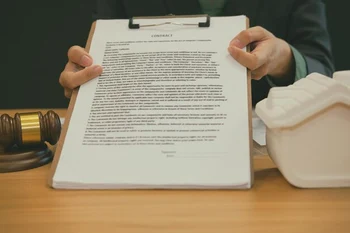
Legal consequences of force majeure clauses in contracts
Discover the legal implications of force majeure clauses in contracts and how they can affect your rights and obligations..

Legal consequences of errors in the drafting of deeds
Discover the serious legal consequences that can arise from errors in drafting deeds and how to avoid them to protect your interests..

Consequences of the lack of formality in legal contracts
Discover the serious consequences of not formalizing legal contracts. Protect your interests and avoid conflicts with this essential guide..