Legal aspects of buying a home that you should not overlook

Buying a home is one of the most important steps in anyone's life, and understanding the legal aspects involved is crucial to avoid unpleasant surprises. In this article, we will explore the legal elements you should not overlook when acquiring your home in Costa Rica. From document review to tax implications, ensuring you are well-informed will protect you and allow you to enjoy your new property without worries.
The importance of the property title: verify its authenticity.
The authenticity of the property title is an essential element in the home buying process. This document not only certifies ownership of the property but also ensures that the property is free of encumbrances or liens that could affect your investment. Before making any transaction, it is crucial to verify that the title is properly registered in the National Registry and that there are no pending legal disputes regarding it. A legitimate property title will provide peace of mind and security about your new acquisition.
It is also important to consider the history of the property through its records. This includes investigating possible backgrounds related to liens, mortgages, or prior legal issues that may arise after the purchase. Having a lawyer specialized in real estate can be a great help in conducting this thorough review. Proper title verification will not only protect you against future claims but will also allow you to fully enjoy your home, knowing that you have made a safe and solid investment.
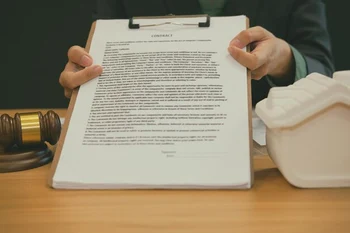
2. Purchase agreements: clauses that cannot be missing.
Purchase agreements for housing are fundamental documents that regulate the transaction between the seller and the buyer. To ensure a safe and transparent purchase, there are certain clauses that must be included in these contracts. First, it is essential to include a detailed description of the property, specifying its location, dimensions, and relevant features. Additionally, the agreed price and payment conditions must be specified, as well as any earnest money or initial deposit made. These clauses help clarify the terms of the agreement and prevent future misunderstandings.
Another crucial clause is related to the delivery of the property. This section must clearly establish when the physical delivery of the property will take place and under what conditions it will be delivered (for example, whether it is vacant or if repairs are required). It is also important to include provisions regarding tax responsibilities and expenses associated with the purchase, such as pending taxes or utility bills. Finally, make sure to incorporate a dispute resolution clause that stipulates how any disagreements between the parties involved will be handled. Having a well-structured contract will provide you with greater legal security throughout the process of acquiring your home.
3. Tax implications in home buying.
The purchase of a home not only involves a financial commitment, but it also carries various tax implications that are essential to consider. In Costa Rica, the process of acquiring properties is subject to taxes such as the Property Tax and the Capital Gains Tax, which must be calculated and paid properly to avoid penalties or legal issues in the future. Additionally, it is important to be aware of the tax regime applicable to your specific situation, as this can influence the total costs of the transaction and your future tax burden.
Another crucial aspect to consider is the tax deductions available for homebuyers. In some cases, you may be eligible for tax benefits related to the purchase of your home, such as the deduction of mortgage interest or expenses related to property improvements. Understanding these benefits will allow you to optimize your finances and make the most of your investment. Therefore, before finalizing any deal, it is advisable to consult a tax advisor or a real estate attorney to ensure you understand all the tax implications associated with buying your home.
4. The figure of the notary: their role and legal responsibility.
The figure of the notary is fundamental in the process of purchasing a home, as they act as an impartial intermediary and guarantee the legality of the transaction. Their main role consists of verifying the authenticity of the documents, ensuring that both parties are properly identified and that there are no legal impediments to carrying out the operation. Additionally, the notary is responsible for drafting the public deed, a key document that formalizes the transfer of property and provides legal security to the purchase. Without their participation, the risk of facing legal problems in the future increases significantly.
The legal responsibility of the notary goes beyond simply formalizing the agreement; he is also obliged to inform the parties about their rights and duties related to the transaction. This includes warning about existing encumbrances or liens on the property, as well as any tax obligations associated with it. Therefore, having a competent notary is not only advisable but essential to protect your investment and ensure that you are making informed decisions throughout the process of acquiring your new home.
5. Rights and obligations of the buyer according to Costa Rican law.
Costa Rican law grants a series of rights and obligations to home buyers that are fundamental to ensuring transparency and security in the acquisition process. Among the most relevant rights is access to clear and truthful information about the property, which includes details about its legal status, existing encumbrances or liens, as well as the possibility of conducting a pre-purchase inspection. Furthermore, the buyer has the right to receive a clear contract that specifies all the terms of the agreement, thus protecting their interests in case of any eventuality.
On the other hand, the buyer's obligations are equally important. It is essential that anyone acquiring a property complies with the conditions agreed upon in the contract, including payment deadlines and other agreed stipulations. They must also ensure to carry out the necessary due diligence to verify the legality of the property and be aware of any possible taxes or fees associated with the transaction. Fulfilling these obligations will not only facilitate a smoother process but also contribute to a positive experience in the purchase of the dream home.
6. Cadastral assessment: why is it essential?
The cadastral assessment is a fundamental process in the purchase of a home, as it establishes the official value of the property and ensures that it is properly registered with the relevant authorities. This value not only influences the determination of taxes to be paid but can also affect the financing of the property, as banks often base their credit decisions on this information. Furthermore, an adequate cadastral assessment ensures that the property complies with local and state regulations, avoiding future legal issues that could arise if it is discovered that the home is not in order.
On the other hand, it is important to mention that the cadastral assessment also plays a crucial role in protecting the buyer. By verifying the cadastral status of a property, potential encumbrances or liens on the property can be identified, as well as any irregularities that could jeopardize your investment. Having this information from the beginning of the purchasing process will allow you to make more informed decisions and avoid unpleasant surprises after finalizing your acquisition. In summary, understanding and considering the cadastral assessment is essential to ensure a safe and smooth transaction.
7. Common problems in property registration.
One of the most common problems in property registration is the lack of proper documentation. Many times, properties may lack clear titles or be involved in unresolved legal disputes. This can lead to complications when trying to formalize the purchase, as the buyer may face difficulties obtaining a certificate of no liens. Therefore, it is essential to conduct a thorough review of the property's history and ensure that all documents are in order before proceeding with the transaction.
Another aspect to consider is the discrepancies in the cadastral information. It may happen that the physical measurements of the land or the construction characteristics do not match what is registered with the competent authorities. This situation can not only generate legal problems but also affect the real value of the property and its ability to be financed by banking institutions. To avoid unpleasant surprises, it is advisable to have a professional conduct a detailed verification and ensure that all information is properly updated before the closing of the real estate transaction.
8. The regulations on mortgages and financing.
The regulations on mortgages and financing are a fundamental aspect that every homebuyer should be aware of. In Costa Rica, mortgages are complex contracts that involve not only the loan itself but also the specific conditions set by financial institutions. It is crucial to read the terms of the mortgage carefully, including interest rates, payment terms, and any penalties for early payments. Additionally, it is advisable to seek legal advice to better understand the rights and obligations that arise when signing such documents. A good practice is to compare different banking offers to find the most favorable option.
Another important point related to financing regulations is the possibility of accessing subsidies or government programs that facilitate home buying. These programs may vary in requirements and benefits, but they are usually designed to help families with fewer resources acquire their home. Being informed about these options can not only make your purchase more accessible but also offer you more favorable conditions in terms of interest rates or terms. Therefore, make sure to research and ask about all available resources before committing to a specific mortgage.
9. How to avoid fraud in real estate purchases.
Real estate purchases can be fertile ground for fraud if proper precautions are not taken. To avoid falling for scams, it is essential to conduct thorough research on the property and the seller. Before making any transaction, verify that the property title is free of liens and that the person selling it is indeed the legitimate owner. Requesting a cadastral report and reviewing the property's background will allow you to identify potential legal issues or associated debts that could complicate your purchase in the future.
It is also advisable to have the guidance of a real estate lawyer throughout the purchasing process. An experienced professional can identify irregularities in the documents and ensure that all contract clauses are clear and fair. Do not hesitate to be suspicious if you are offered prices that are too low or if there is pressure to close the sale quickly without proper review; these are typical signs of fraud. Stay informed and proactive to protect your investment, thereby ensuring a safe and successful transaction.
Most viewed articles in the category Legal Aspects

Legal implications of confidentiality clauses in contracts
Discover the legal implications of confidentiality clauses in contracts and how they affect your business. Protect your valuable information today..
Legal consequences of force majeure clauses in contracts
Discover the legal implications of force majeure clauses in contracts and how they can affect your rights and obligations..

Legal consequences of errors in the drafting of deeds
Discover the serious legal consequences that can arise from errors in drafting deeds and how to avoid them to protect your interests..

Consequences of the lack of formality in legal contracts
Discover the serious consequences of not formalizing legal contracts. Protect your interests and avoid conflicts with this essential guide..