Legal aspects of buying a home that you cannot ignore

The purchase of a home is one of the most important steps in anyone's life, and understanding the legal aspects surrounding it is crucial to avoid future complications. From title reviews to compliance with local regulations, knowing your legal responsibilities will allow you to make informed decisions and protect your investment. Do not underestimate these details; they are the key to ensuring that your new home is truly yours. In this article, we will explore the legal aspects you cannot ignore when acquiring property in Costa Rica.
1. The importance of the property title: what should you verify?
When purchasing a home, the property title is one of the most important documents you must verify. This document not only establishes who the legal owner of the property is, but also provides key information about its status, such as existing liens or mortgages. Before making any transaction, it is essential to ensure that the seller has a clear title free of encumbrances. This will prevent unpleasant surprises in the future, such as claims from third parties or legal issues arising from a lack of proper documentation.
In addition to confirming ownership, it is essential to review that the title complies with all local regulations and is properly registered in the corresponding public registry. Checking the property's history can reveal if there have been previous disputes or if there are limitations on its use. A lawyer specialized in real estate can be a great help in this process, as they can identify potential risks associated with the title and ensure that your investment is protected from the start. Ignoring these steps could jeopardize not only your new acquisition but also your long-term peace of mind.
2. Sales contracts: essential elements to consider
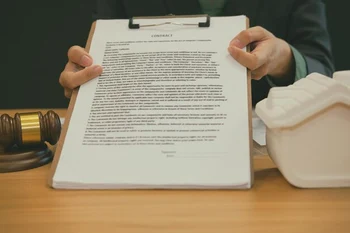
Sales contracts are the core of the home acquisition process, and their proper drafting is essential to ensure the legal security of both the buyer and the seller. Among the essential elements that a sales contract must include are the precise identification of the parties involved, a detailed description of the property, as well as the agreed price and payment conditions. It is also crucial to stipulate clear deadlines for the delivery of the property and any suspensive conditions that may affect the agreement. This level of detail not only provides clarity to both parties but also minimizes legal risks in the event of future disagreements.
Additionally, it is important to consider additional aspects such as any encumbrances or liens that may exist on the property. A well-drafted contract should specify whether the property is free of mortgages or other limitations that could complicate its possession. The inclusion of clauses regarding additional expenses, such as taxes and notary fees, is also essential to avoid unpleasant surprises after the deal is finalized. Don't forget to consult with a real estate attorney to review the contract before signing it; this will ensure that all essential elements are present and comply with current legislation, thus protecting your long-term investment.
3. Taxes and fees associated with home purchase
When purchasing a home, it is essential to consider the taxes and fees associated with the purchase. In Costa Rica, one of the main taxes is the Property Transfer Tax, which is calculated based on the property's value. This tax is usually 1.5% of the sale price and must be paid at the time of formalizing the property transfer. Additionally, it is important to consider other additional expenses such as notary fees and registration fees, which are also part of the total acquisition cost and may vary depending on the chosen professional.
As a homeowner, you will also have to face the annual Property Tax, known as territorial tax, which is calculated based on the assessed value of the property. This tax can represent a significant expense over time, so it is advisable to learn about its calculation and payment. Finally, do not forget to investigate if there are any municipal fees or any other type of tax that may apply to your new property. Knowing all these aspects will allow you to create a more realistic budget and avoid financial surprises after making your purchase.
4. Buyer rights against adverse legal situations
When purchasing a home, it is essential for buyers to be aware of their rights in case they face adverse legal situations. These rights are crucial to protect their investment and ensure that any issues are handled appropriately. For example, if problems arise with ownership or if claims are made regarding the property, the buyer has the right to receive clear and complete information about the legal situation of the property. This includes access to relevant documents that support the transaction and demonstrate the legitimacy of the seller.
It is also important to remember that buyers have the right to resort to legal instances if they believe they have been victims of fraud or deception in the purchasing process. In such cases, they can demand compensation or even cancel the purchase if the conditions allow it. Knowing these rights enables quick action in the face of any irregularity and seeking legal advice when necessary. In summary, being informed about your rights as a buyer not only empowers you in negotiation but also provides effective tools to safeguard your new home against potential legal complications.
5. Seller Responsibilities: what must be fulfilled
The responsibilities of the seller in the transaction of a home are fundamental to ensuring a safe and transparent purchase. Firstly, the seller must provide a clear and unencumbered title of ownership, meaning that there should be no debts or legal obligations associated with the property that could affect the new owner. Additionally, it is essential for the seller to ensure that all documents related to the property are in order, including building permits and municipal certifications. A responsible seller must also disclose any existing issues in the home, such as structural defects or pending legal problems, as hiding relevant information can lead to future disputes.
Another key responsibility of the seller is to comply with tax regulations related to the sale of properties. This includes the payment of transfer taxes on real estate and ensuring that there are no unpaid tax liabilities that could affect the buyer. Additionally, it is advisable for the seller to provide the buyer with all necessary information to conduct proper due diligence before the closing of the sale. By acting transparently and fulfilling their legal obligations, the seller not only protects their reputation but also contributes to a smoother and more reliable transaction for both parties involved in this important investment.
6. The role of the notary in the purchase process
The notary plays a fundamental role in the home buying process, acting as an impartial intermediary that ensures all transactions are conducted legally and transparently. During the purchase, the notary is responsible for verifying that the property has a clear title and is free of encumbrances, which is essential to ensure that the buyer does not encounter legal issues in the future. Additionally, their role includes the drafting and signing of the public deed, a crucial document that formalizes the transfer of ownership and grants the new owner rights over it.
The notary must also ensure that all tax obligations related to the transaction are met, such as the payment of the transfer tax and other associated costs. This not only helps to avoid penalties from tax authorities but also provides peace of mind to the buyer by knowing that everything is in order from a legal standpoint. In summary, having a competent notary not only facilitates the purchasing process but also protects the interests of the new owner, ensuring that their investment is backed by a solid legal foundation.
7. Urban regulations: how do they affect your purchase?
Urban planning regulations are a set of rules that dictate how land should be used and what types of constructions are allowed in a specific area. When considering the purchase of a home, it is essential to be aware of these regulations as they can directly affect your property. For example, if you acquire a plot of land with the intention of building, but it is classified as green zone or has specific restrictions on the type of construction, you may encounter limitations you hadn't anticipated. Reviewing these regulations will allow you to ensure that your plans for the home align with what is permitted in that location.
Additionally, urban regulations can influence aspects such as the maximum height of buildings, the percentage of green areas required, and the minimum distances between constructions. Ignoring these provisions can result not only in legal issues but also in a decrease in the long-term value of your investment. Before making any purchase, it is advisable to consult with an expert or visit the relevant municipality to obtain clear information about the regulations applicable to the area where you wish to settle. This way, you can make more informed decisions and avoid unpleasant surprises that may affect your quality of life and assets.
8. Consumer protection in real estate transactions
Consumer protection in real estate transactions is a fundamental aspect that every buyer should keep in mind. In Costa Rica, there are laws and regulations designed to safeguard the rights of purchasers against unfair or deceptive practices. This includes the obligation of sellers and real estate agents to provide clear and truthful information about the property, as well as ensuring that the documents related to the sale are in order. Knowing your rights will not only help you avoid fraud but also enable you to demand compliance with the regulations governing these transactions.
Additionally, it is important to emphasize that the process of purchasing a home may be subject to various contractual clauses that must be reviewed thoroughly. Consumers have the right to receive legal advice to interpret these documents and ensure that their interests are protected. Do not hesitate to seek professional assistance if something does not seem clear to you; an investment as significant as acquiring a home deserves your full attention and care. By being well-informed about your rights as a consumer, you will be able to navigate the process with confidence and peace of mind, ensuring that your new property is a source of satisfaction and security.
9. Legal consequences for omitting relevant information
Omitting relevant information during the home-buying process can lead to serious legal consequences that may impact not only the transaction itself but also your future as a homeowner. For example, if a seller conceals structural or title issues, and you decide to proceed with the purchase without conducting due diligence, you could face unexpected expenses for repairs or even lose the property. Laws typically protect buyers in these cases; however, proving that crucial information was omitted may require significant time and resources. Furthermore, the legal consequences of omitting relevant information are not limited solely to the technical aspects of the property. They also involve administrative and tax issues, such as compliance with local regulations related to zoning or building permits. If you acquire a property that does not comply with these regulations due to a lack of disclosure by the seller, you could face financial penalties or even be required to undo modifications made to the property. Therefore, it is essential to have appropriate legal advice and conduct thorough research before finalizing any agreement to avoid later complications that could affect your investment and peace of mind.
Most viewed articles in the category Legal Aspects

Legal implications of confidentiality clauses in contracts
Discover the legal implications of confidentiality clauses in contracts and how they affect your business. Protect your valuable information today..
Legal consequences of force majeure clauses in contracts
Discover the legal implications of force majeure clauses in contracts and how they can affect your rights and obligations..

Legal consequences of errors in the drafting of deeds
Discover the serious legal consequences that can arise from errors in drafting deeds and how to avoid them to protect your interests..

Consequences of the lack of formality in legal contracts
Discover the serious consequences of not formalizing legal contracts. Protect your interests and avoid conflicts with this essential guide..