Legal aspects that ensure transparency in your home purchase.

The purchase of a home is one of the most important decisions in life, and understanding the legal aspects that ensure transparency in this process is essential. In Costa Rica, having a solid and well-structured contract not only protects your interests but also ensures a clear and fair transaction. In this article, we will explore the essential elements you should consider to avoid unpleasant surprises and make your purchase a safe and uncomplicated process.
Buying a home is one of the most important decisions in anyone's life, and ensuring that this process is transparent is essential. In Costa Rica, there are legal aspects that protect buyers and allow them to invest with confidence. Understanding the importance of deeds and the associated legal documents will help you avoid unpleasant surprises in the future. Discover how these mechanisms provide you with security and peace of mind in your real estate transaction.
The purchase of a home is one of the most important decisions in life, and understanding the legal aspects that ensure a transparent transaction is essential. In Costa Rica, the legal framework is designed to protect both buyers and sellers, ensuring that each step is taken with clarity and confidence. This article will guide you through the key elements you should consider to make a safe purchase without unpleasant surprises.
1. Importance of the sales contract
The importance of deeds in home buying
1. The importance of the purchase agreement: What should it include?
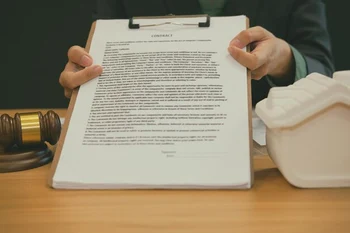
The importance of the sales contract lies in its function as a legal document that establishes the terms and conditions of the transaction between the buyer and the seller. A well-drafted contract should include essential information such as the identification of the parties involved, a detailed description of the property, the agreed price, and the payment conditions. Furthermore, it is crucial that the obligations and rights of each party are specified, as well as any clause related to possible contingencies, such as situations in which the cancellation of the agreement is allowed. In this way, both parties have clarity about their responsibilities and expectations.
Deeds are legal documents that formalize the ownership of a property, and their proper handling is essential in the home buying process. When acquiring a property, deeds ensure that the transaction is registered with the appropriate authorities, which provides the legal security necessary for buyers to exercise their rights over the acquired asset. Without a properly registered deed, the new owner could face future legal issues, such as claims from third parties or disputes over the title of the property. Therefore, it is vital to ensure that all deeds are in order before finalizing any purchase.
The purchase contract is a fundamental document in the process of acquiring a home, as it establishes the specific conditions under which the transaction will take place. This legal instrument not only details information about the property, such as its location and characteristics, but also defines the rights and obligations of both parties involved: the buyer and the seller. By formalizing this agreement, it ensures that both parties have clarity about what has been agreed upon, which minimizes the risk of future conflicts and provides a framework for resolving any disagreements.
Additionally, having a properly drafted and signed sales contract provides extra protection for the buyer against potential irregularities. For example, this contract can include clauses that ensure the property is free from liens or legal encumbrances and that all necessary documents are in order. In the event of a breach by the seller, the buyer has the option to enforce their rights through legal actions. Therefore, a well-crafted contract not only provides legal security during the transaction but also acts as an essential mechanism to ensure a transparent purchase without unpleasant surprises in the future.
In addition to certifying ownership, the deeds also contain relevant information about the legal status of the property, including existing liens or mortgages. This means that by reviewing these documents, buyers can identify potential risks and make informed decisions. Transparency in this aspect not only protects the buyer from unpleasant surprises but also helps maintain a safer and more reliable real estate market. In summary, understanding the importance of deeds and their proper management is essential to ensure a successful purchase free of inconveniences in the future.
Another fundamental element to consider is the provisions regarding additional expenses associated with the purchase, such as taxes, legal fees, and transfer costs. Including these details in the contract helps avoid future misunderstandings and ensures that both parties are aligned regarding the total expenses involved in the home acquisition. It is also advisable for the contract to contain a clause on conflict resolution to address any disagreements that may arise during or after the purchasing process. Ultimately, a comprehensive contract not only provides legal security but also fosters a transparent relationship between buyer and seller.
2. Essential clauses to protect your rights as a buyer
2. Necessary documentation to formalize a deed
2. Essential clauses in a real estate contract
When purchasing a property, it is essential to have a real estate contract that includes key clauses protecting the interests of both parties. These clauses should specify details such as the price of the property, payment conditions, and the timeline for delivery. Additionally, it is crucial to include a detailed description of the property, covering its physical and legal characteristics, as well as any existing encumbrances or liens that may affect the property. A clear and precise wording of these provisions will help avoid future misunderstandings and ensure that both the buyer and seller have aligned expectations.
To formalize a purchase-sale agreement in Costa Rica, it is essential to have a series of documents that validate both the buyer's identity and the legality of the property. First, the buyer must present their identity card or passport, while the seller must provide their personal information and documentation proving their ownership of the property. This includes the updated title of ownership, as well as a certificate of encumbrances ensuring that the property is free of liens or outstanding debts. Having all this documentation in order not only facilitates the process but also assures the buyer that the transaction is conducted within the appropriate legal framework.
When purchasing a home, it is crucial that your purchase agreement includes clauses that safeguard your rights as a buyer. One of the most important is the **warranty clause**, which establishes the seller's commitment regarding the condition and functionality of the property. This clause should specify what type of repairs or structural issues will be the seller's responsibility before closing the transaction. Ensuring that this information is clear and detailed will help you avoid unpleasant surprises after the purchase, such as unexpected costs for necessary repairs.
Another essential clause is the **withdrawal clause**, which protects your right to cancel the purchase under certain conditions. This aspect is particularly relevant if issues arise during the process, such as legal problems with the property or discrepancies in the documents submitted. Including a reasonable deadline to exercise this option provides you with greater security and confidence when making such a significant investment as a home. This way, you can act with peace of mind, knowing that you have legal support in case of any unfavorable eventuality on the way to your new home.
In addition to the mentioned documents, it is important to obtain a registry report issued by the National Registry. This report provides detailed information about the legal status of the property, ensuring that there are no litigations or legal disputes related to the property. It is also advisable to have an insurance policy that covers potential risks associated with the purchase. By gathering and verifying all this documentation before proceeding to sign the deed, buyers can avoid future complications and ensure a transparent and secure transaction. Proper preparation is key to enjoying a hassle-free experience in your new real estate acquisition.
Another important aspect in the clauses of the real estate contract is the inclusion of warranties and liabilities. It is advisable to establish provisions regarding who will be responsible for any repairs before the closing of the sale, as well as to specify the consequences in case of breach by either party. For example, a penalty clause can be included that establishes financial compensation in the event that the seller does not comply with what was agreed upon within the stipulated timeframe. By having these warranties clearly outlined, both parties can approach the process with greater peace of mind and legal security, which is essential for a successful transaction.
3. Property registration: guarantee of legal security
3. What information should be included in a deed?
3. The role of the notary in property purchase
The notary plays a crucial role in the purchase of property, acting as a guarantor that the process is carried out in accordance with the law. In Costa Rica, the figure of the notary is fundamental, as they are a legal professional responsible for providing public faith regarding the acts and documents that take place in real estate transactions. Their intervention ensures that both the buyer and the seller fulfill all the necessary legal obligations to formalize the transfer of property, which includes a thorough review of the property titles and the validation that there are no liens or encumbrances on the property. In this way, the notary becomes a key player in preventing future legal conflicts.
For a sales deed to fulfill its legal purpose and ensure transparency in the real estate transaction, it must include essential information. First, it is crucial to detail the personal data of the parties involved: the seller and the buyer. This includes full names, identification numbers, and current addresses. Additionally, the deed must clearly specify the description of the property, including its exact location, boundaries, and relevant characteristics that precisely identify the property. This information not only provides clarity about what is being purchased but also helps to avoid future disputes.
The property registry is a fundamental component that ensures transparency and legal security in the purchase of a home. In Costa Rica, this registry acts as a public system where all transactions related to real estate are recorded, allowing buyers to verify the legal status of the property before making an investment. By consulting the Registro Nacional, future owners can confirm crucial aspects such as the ownership of the property, any existing liens or mortgages, as well as any encumbrances that could affect its use or value. This verification not only provides peace of mind to the buyer but also prevents legal disputes in the future. Additionally, the registry not only protects buyers; it also guarantees rights for sellers and other interested parties in the property. The formal registration of a transaction ensures that such an operation is legally recognized before third parties, minimizing the risk of disputes over the property. Thus, having an updated and transparent registry becomes an indispensable tool for fostering a reliable and orderly real estate market. Therefore, it is vital to carry out this step with rigor and attention to fully enjoy your new home without additional concerns regarding its legal status.
Another fundamental element in the writing is the price agreed upon by both parties and the payment conditions. It is important that this section is clear to prevent future misunderstandings. Additionally, clauses related to the obligations of each party during the purchase process should be included, such as deadlines for the delivery of the property or any suspensive conditions that may affect the sale. Lastly, although no less relevant, it is advisable to include information about encumbrances or existing charges on the property that may impact its value or future use. The inclusion of these details ensures a transparent transaction and protects both the buyer and the seller.
In addition, the notary has the responsibility of drafting the public deed of sale, an essential document that officially certifies the transfer of real estate. This document not only protects the rights of the new owner but also ensures that all relevant information related to the property has been disclosed and verified. Thanks to their legal knowledge and impartiality, the notary ensures that both parties understand their rights and obligations before proceeding with the signing. In summary, having a qualified notary not only provides peace of mind to the purchase process but also reinforces the foundations for a transparent and secure transaction.
4. How to verify the legality of the property before buying
4. The role of the notary public in the writing process
4. Due diligence: pre-purchase verifications
Due diligence, or pre-purchase verification, is a fundamental process that allows the buyer to ensure that the property they are acquiring does not have hidden problems. This procedure involves a series of investigations and analyses regarding the legal status of the property, including the review of titles, liens, and encumbrances that may affect future possession. In Costa Rica, it is advisable to seek the support of a lawyer specialized in real estate to carry out these verifications, as their experience can be invaluable in identifying potential issues before making a significant investment. In addition to legal aspects, due diligence also encompasses physical inspections of the property. This includes checking the structural condition, electrical systems, and plumbing, as well as verifying whether there are adequate permits for any construction carried out on the property. Conducting these types of inspections not only ensures that you are buying a safe and functional home but also allows you to negotiate better purchase conditions or even reconsider your decision if unfavorable findings arise. By taking these preventive steps, you can avoid future complications and ensure a more transparent and reliable transaction.
The role of the notary public is essential in the property writing process, as their main function is to guarantee the legality and validity of the documents being signed. This professional acts as an impartial third party who verifies the identity of the involved parties and ensures that all legal requirements have been met before proceeding with the signing of the deed. Additionally, the notary has the responsibility to inform buyers about the legal implications of the contract, thereby ensuring that they make informed and conscious decisions about their investment.
Verifying the legality of the property before making a purchase is a crucial step to ensure that your investment is safe and legitimate. First, it is essential to request a copy of the property title and verify its registration in the National Registry. This will allow you to confirm that the seller is indeed the owner of the property and that there are no liens, mortgages, or pending lawsuits on the property. Additionally, you can consult with a lawyer specializing in real estate who can help you review any related documents and ensure that everything is in order.
Another important aspect is to check if the property complies with local zoning and land use regulations. Make sure that all necessary permits for its construction have been obtained and that there are no urban planning violations. It is also advisable to investigate the environmental situation of the land, especially if it is near protected areas or has specific restrictions. Conducting these checks will not only help you avoid future legal issues but will also give you peace of mind knowing that you are making an informed and responsible purchase.
Once the deed has been signed, the notary also plays a crucial role in registering the document with the National Registry, which provides legal security to the new owner. This process not only protects the buyer's rights against potential future claims but also establishes a clear chain of title over the property. By having a public notary during this stage, buyers can be assured that their purchase is backed by a solid legal framework, which is essential to prevent conflicts or issues related to the property in the future.
5. Registration process in the National Registry: why is it crucial?
5. Tax implications when acquiring a property in Costa Rica
5. Tax implications in home buying
The purchase of a home not only involves a significant financial commitment but also carries various tax implications that are essential to understand. In many countries, including those in Central America, there are tax benefits and obligations associated with property acquisition. For example, buyers may be able to deduct certain expenses related to home purchasing, such as mortgage interest or property taxes. Understanding these aspects can help new homeowners better plan their budget and make the most of the available tax advantages.
The acquisition of a property in Costa Rica not only involves a financial and emotional commitment, but it also carries a series of tax implications that are crucial to understand before making the purchase. When acquiring a property, the new owner must be aware of the associated taxes, such as the property tax, known as "impuesto territorial." This tax is calculated on the value of the land and the construction, and its payment is essential to avoid legal penalties that could complicate the ownership of the property. Additionally, it is important to consider the rates related to the transfer of property and other additional costs that may arise during the process.
The registration process in the National Registry is a fundamental step that guarantees transparency and security in the purchase of a home. This registry acts as a publicity system that allows potential buyers to verify the existence of encumbrances, mortgages, or any burden on the property. Thus, by registering your deed, you are not only formalizing your property right but also protecting your investment against possible future claims. Registration ensures that you are legally recognized as the owner, which is crucial to avoid fraud and conflicts with third parties.
Additionally, registration in the National Registry provides greater confidence when carrying out additional transactions related to your property. For example, if you decide to sell or mortgage the property in the future, having a properly registered title will facilitate these processes and ensure that all parties involved have access to accurate information about the legal status of the asset. In summary, this procedure not only strengthens your rights as the current owner but also simplifies future management and contributes to the development of a more transparent and secure real estate market.
Another relevant aspect is the tax implications in the event of a future sale of the property. Property owners should keep in mind that by selling their property, they may be subject to a capital gains tax if the sale generates a profit. Therefore, keeping a clear record of all financial transactions related to the property can facilitate this process and ensure compliance with all corresponding tax obligations. In this way, not only is the initial investment protected, but it also contributes to maintaining tax transparency at every stage of the property’s life cycle.
It is also essential to be aware of the possible tax implications associated with the future sale of the property. In some cases, the profits obtained from resale may be subject to capital gains tax. These types of considerations are crucial for those looking to not only buy a home to live in but also as an investment. Therefore, having appropriate legal or tax advice can be decisive in ensuring that all transactions comply with current regulations and are carried out without unexpected financial setbacks.
6. Buyer rights against the seller
6. Legal resources available in case of conflicts in home purchasing.
6. Essential clauses that must be present in your writing
When acquiring a property, it is essential that the deed contains clauses that ensure the legal protection of the buyer. Among the most important are the detailed description of the property, which must include its exact location and boundaries, as well as the physical and legal characteristics of the property. Additionally, it is fundamental to include information about any encumbrances or liens that may affect the property, thus ensuring that the new owner is aware of any existing obligations or restrictions on the acquired asset. These clauses not only provide clarity regarding what is being purchased but also protect the buyer against potential future disputes over ownership or usage limitations.
When facing conflicts during the purchase of a home, it is essential to know the legal resources available that can facilitate the resolution of disputes. First, buyers have the option to resort to mediation, a process in which an impartial third party helps the parties reach an agreement without the need to go to court. This method is not only quicker and less expensive, but it also fosters open communication between the parties involved, which can lead to more satisfactory solutions for everyone. Mediation is especially recommended for disagreements related to contractual clauses or delivery conditions.
The rights of the buyer against the seller are fundamental to ensure that the transaction of a house is carried out fairly and equitably. In Costa Rica, the buyer has the right to receive clear and truthful information about the property, which includes essential details such as the legal status of the property, any existing liens or encumbrances, as well as the physical characteristics of the house. Furthermore, the buyer has the right to conduct pre-inspections and to request documents that support the legality of the transaction, such as the title deed and up-to-date tax payments. This transparency is crucial to avoid unpleasant surprises in the future.
It is also important to highlight that the buyer has specific rights in case of default by the seller. If it is proven that the seller has concealed relevant information or provided false data, the buyer can demand legal compensation and even annul the purchase. This legal framework protects the consumer against unfair practices and ensures a balance in negotiations. Knowing these rights helps not only to make informed decisions but also to promote a culture of trust among the parties involved in the purchase of a home.
If mediation is not effective, buyers may consider starting formal legal actions. This involves bringing the case before a competent court where evidence and arguments can be presented by both parties. It is essential to have the advice of a lawyer specialized in real estate law who can guide the buyer through each stage of the judicial process and ensure that their rights are adequately defended. Additionally, there are administrative instances where complaints related to irregularities in the purchasing process or issues with the property itself can be filed, which may serve as an additional avenue for resolving conflicts before opting for more drastic legal actions. Knowing these options provides peace of mind and reinforces the importance of having a transparent and secure transaction.
Another vital clause is related to the payment and delivery conditions of the property. It is important to specify how the payment will be made, whether financing will be involved, and what the established deadlines are for each transaction. Likewise, it should be clear when the formal delivery of the property to the new owner will take place. This will avoid misunderstandings between the parties and ensure a smooth process in the transfer of assets. By including this key information in your deed, you not only ensure a secure purchase but also foster a transparent relationship with the seller and others involved in the real estate process.
7. Buyer’s rights: what you need to know before signing
7. Practical tips for negotiating the contract for your new house
7. Judicial process in conflicts arising from the sale and purchase
The judicial process concerning disputes in the sale of a property is a crucial aspect that may arise during or after the transaction. While many times the parties manage to reach an amicable agreement, there are occasions when disagreements arise that require legal intervention. In Costa Rica, the judicial system is prepared to handle these conflicts, offering a clear legal framework that protects the rights of both parties involved. This process usually begins with the filing of a lawsuit before the competent court, where the necessary evidence and arguments will be presented to support each position.
Negotiating the contract for your new home can be a challenging task, but with the right tips, you can achieve an agreement that benefits both parties. First, it is crucial that you have a clear understanding of your budget and what you are willing to accept. Research the real estate market in the area where you want to buy; knowing the average prices will give you an advantage when negotiating. Additionally, do not hesitate to raise your concerns and ask questions about specific clauses in the contract. A good seller will appreciate your interest and willingness to understand all the terms.
Before signing any home purchase contract, it is crucial for buyers to know their rights. In Costa Rica, the law protects consumers through regulations that ensure the information provided about the property is truthful and complete. This includes aspects such as the legal status of the property, its tax situation, and any encumbrances or liens that could affect the transaction. Knowing these rights allows the buyer to demand clarity and transparency at every stage of the process, thus ensuring a secure investment.
It is also essential for buyers to be informed about the right to receive appropriate legal advice before finalizing the purchase. Having a lawyer specialized in real estate can be invaluable for understanding all the terms of the contract, as well as the legal implications of each clause. This advice not only helps prevent future conflicts but also ensures that all current regulations are met, providing greater protection to the buyer throughout the process of acquiring their new home.
Another fundamental aspect is being prepared to concede on certain points, while always keeping your priorities clear. Consider which elements are essential for you, such as repairs prior to purchase or flexible payment conditions. Additionally, make sure to have legal advice throughout the process: a specialized lawyer can help you identify aspects of the contract that may not be favorable or even dangerous. With these strategies, you will be able to negotiate a contract that not only meets your financial expectations but also ensures a transparent and secure transaction.
It is essential to know the available legal resources, as well as the deadlines and procedures that must be followed in the event of a dispute. Mediation and arbitration are options that can be considered before reaching formal trial, promoting quicker and less costly solutions. However, if these alternatives do not resolve the conflict, the judicial process can lead to a ruling that defines property rights and establishes compensation if applicable. Understanding this path is crucial for any buyer or seller, as it ensures they are prepared to face potential litigation with informed knowledge and legal certainty.
8. Responsibilities of the notary in the transaction
8. Legal aspects of mortgages and liens on property
When it comes to buying a property, it is essential to be informed about the legal aspects surrounding mortgages and liens that may affect the property. A mortgage is a real right that allows the lender to claim the property in the event of default by the owner. Therefore, before acquiring a property, it is crucial to ensure that there are no outstanding mortgages that could compromise your investment. This can be verified through the National Registry, where any charge or lien on the property is recorded. This process ensures that you are purchasing a property free of hidden debts, providing you with greater security in your transaction.
In the real estate transaction, the notary plays a crucial role in ensuring the transparency and legality of the process. Their main responsibility is to verify the identity of the parties involved and ensure that all necessary documents are in order before proceeding with the signing of the contract. This includes checking the ownership of the property, ensuring that there are no liens or outstanding debts that could affect the purchase. Additionally, the notary must inform both parties about their rights and obligations, which contributes to a clearer and fairer transaction.
Another vital function of the notary is to formalize the sale and purchase act through a legally signed and sealed document. This document not only serves as conclusive proof of the transaction but is also registered in the National Registry, thereby ensuring its validity against third parties. Furthermore, the notary is responsible for managing the corresponding payments, ensuring that they are made as agreed and preventing any type of fraud. In summary, having a competent notary not only provides legal security to the parties involved but also fosters a trusting environment throughout the entire purchasing process.
Likewise, liens are legal restrictions imposed on a property that can limit its use or disposition. These can arise for various reasons, such as unpaid taxes or court judgments. It is crucial to conduct thorough due diligence to identify any existing liens before completing the purchase. With the right guidance and access to the relevant public records, you can protect yourself against unexpected surprises and ensure that your new home is truly yours without unwanted legal encumbrances. Thus, understanding these aspects will allow you to make informed decisions and fully enjoy your new home with peace of mind and confidence.
9. How to resolve disputes related to deeds and real estate
9. Environmental regulations and their impact on property
Environmental regulations play a crucial role in property purchases, as they regulate land use and protect natural resources. In Costa Rica, these regulations aim to conserve the environment and ensure that new constructions do not negatively impact local ecosystems. When acquiring a home, it is essential for buyers to be informed about the environmental restrictions applicable to the property, such as protection zones, green areas, or waste management requirements. This not only ensures that the acquisition is legal but also promotes harmonious coexistence with nature.
When disputes arise related to deeds and real estate, it is essential to have a legal framework that allows for the fair and equitable resolution of these conflicts. In Costa Rica, the laws establish clear procedures for mediation and arbitration, which means that buyers can turn to official instances to resolve discrepancies without the need for a lengthy legal battle. The existence of public registers where all real estate transactions are documented also plays a crucial role, as it provides a clear history of property and rights over the home in question, helping to avoid misunderstandings or fraud.
It is also advisable for both buyers and sellers to seek legal advice before signing any contract or deed. A lawyer specializing in real estate can provide guidance on how disputes should be handled and what resources are available in case of disagreements. Having all the correct documentation properly managed from the beginning not only streamlines the buying process but also minimizes the possibility of later conflicts. Ultimately, being informed and prepared is key to ensuring a successful and stress-free buying experience.
Additionally, environmental regulations can influence the long-term value of a property. Areas with strict regulations tend to maintain their appeal and stability in the real estate market due to their environmental quality and the interest in sustainable development. Therefore, when considering a purchase, it is advisable to research how these regulations might affect both the present and future use of the property. Knowing this information allows buyers to make more informed decisions that align with their personal values regarding the environment, thereby ensuring a responsible and conscious investment in their new home.
Most viewed articles in the category Legal Aspects

Legal implications of confidentiality clauses in contracts
Discover the legal implications of confidentiality clauses in contracts and how they affect your business. Protect your valuable information today..
Legal consequences of force majeure clauses in contracts
Discover the legal implications of force majeure clauses in contracts and how they can affect your rights and obligations..

Legal consequences of errors in the drafting of deeds
Discover the serious legal consequences that can arise from errors in drafting deeds and how to avoid them to protect your interests..

Consequences of the lack of formality in legal contracts
Discover the serious consequences of not formalizing legal contracts. Protect your interests and avoid conflicts with this essential guide..