Legal aspects that ensure a hassle-free property purchase

The purchase of a property is a significant step that can be clouded by legal complications if not handled properly. Knowing the essential legal aspects can be the key to ensuring a transaction without unpleasant surprises. In this article, we will break down the contracts and other legal elements that will provide you with the peace of mind needed to make your investment with confidence and security. Get ready to become an informed and savvy buyer!
The importance of a well-drafted contract
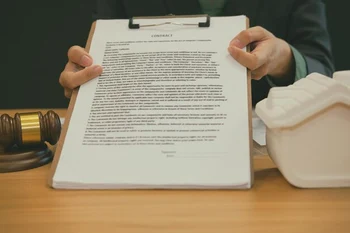
A well-drafted contract is essential in any real estate transaction, as it establishes the legal foundation for the purchase and protects the interests of both parties involved. This document not only details the terms of the sale, such as the price and delivery date, but it must also include specific clauses about crucial aspects such as financing, contingencies, and the rights and responsibilities of the buyer and seller. By having clarity on these terms, the possibilities of misunderstandings or future disputes that may arise if something is not adequately addressed from the beginning are minimized.
Additionally, a robust contract provides a legal framework that can be invoked in case of breach by any of the parties involved. This means that if issues arise related to the property, such as hidden defects or failure to meet agreed deadlines, the contract will serve as a vital tool for resolving conflicts. By having appropriate legal advice during the drafting of the contract, buyers can ensure that all clauses are clear and fair, which is essential to avoid unpleasant surprises throughout the purchasing process. In summary, investing time and resources in creating a solid contract is a wise decision that can save buyers from significant legal complications in the future.
2. Types of contracts in property sales
In the field of property transactions, there are different types of contracts that can be tailored to the needs of both parties involved in the transaction. The most common contract is the promise to sell agreement, which establishes a preliminary agreement in which one party commits to sell and the other to buy the property within a specified timeframe. This type of contract is essential for laying the groundwork for the deal and may include clauses regarding specific conditions, such as financing or pre-sale inspections. Through this initial agreement, buyers can ensure that the seller will not negotiate with other interested parties during the stipulated time.
Another important type is the definitive sales contract, which formalizes the transfer of title once all agreed conditions are met. This document must be carefully drafted and include specific details about the property, such as its exact location and relevant characteristics, as well as the rights and obligations acquired by each party. Additionally, it is crucial to consider additional aspects such as payment methods and any possible warranty related to the condition of the property. A well-drafted contract not only protects both parties but also reduces the likelihood of future conflicts, thus ensuring a safe purchase without legal complications.
3. Essential clauses that must be included in your contract
When drafting a purchase agreement, there are essential clauses that must be included to ensure a smooth transaction. First, it is crucial to include a detailed description of the property, which should cover its exact location, measurements, and specific characteristics. This not only protects both parties by minimizing potential disputes over what is being purchased, but also facilitates any future procedures related to the property. Additionally, it is important to clearly establish the agreed price and payment conditions, which include deadlines and acceptable methods. This financial transparency helps avoid misunderstandings and provides a solid foundation for the relationship between buyer and seller.
Another vital clause is the inclusion of responsibilities regarding taxes and expenses related to the property. It is advisable to specify who assumes the associated costs such as property tax or maintenance fees up to the time of delivery. Likewise, it should be addressed what happens in the event of a breach by either party; this is where a clause on penalties or termination of the contract comes into play. Finally, always include a clause on dispute resolution that stipulates how legal discrepancies will be handled, whether through mediation or arbitration, thus avoiding prolonged litigation that could affect your long-term investment. These considerations are key to ensuring a secure and smooth purchase.
4. Legal review: Why is it crucial before signing?
Legal review is a crucial step in the property purchase process, as it allows for the identification and mitigation of potential risks that could arise after signing. Before committing to any agreement, it is essential to carefully review the documents related to the property, such as the title deed, easements, and restrictions. A thorough analysis can uncover hidden issues, such as liens or prior legal disputes, that may affect not only the property's value but also your ability to fully enjoy it without inconveniences.
Additionally, having the right advice during this review helps ensure that all terms of the contract are clear and fair. A real estate attorney can provide valuable insights on specific clauses and the buyer's rights. This investment of time and resources can save you from future legal conflicts and unforeseen expenses, allowing you to make your purchase with the peace of mind of knowing that you have made informed decisions. Thus, a thorough legal review becomes an essential pillar for ensuring a successful transaction without unpleasant surprises.
5. Aspects to consider in the financing of the property
When considering the financing of a property, it is essential to evaluate the different options available and how they align with your long-term financial needs. There are various financing modalities, from traditional mortgages to government loans. Each of these options has its own characteristics, interest rates, and requirements that can significantly affect your ability to acquire the desired property. Therefore, it is crucial to research and compare the offers from different financial institutions to find the most suitable one that not only allows you to purchase the property but also fits your monthly budget without compromising your economic stability.
In addition to the type of financing chosen, it is important to consider other factors related to the costs associated with the purchase of the property. This includes aspects such as closing costs, property taxes, insurance, and legal fees. These additional costs can add a significant amount to the total price of the property and should be taken into account in your financial planning. Having a clear overview of all economic obligations will allow you to make more informed decisions and avoid unpleasant surprises that may arise during the acquisition process. A good practice is to consult with a financial advisor or a lawyer specialized in real estate to ensure that all aspects related to financing are properly considered before formalizing any commitment.
6. Tax implications when buying a property
When acquiring a property, it is essential to understand the tax implications that may arise from the transaction. Each country and region has its own tax laws, and these can significantly influence the total cost of your investment. For example, you may need to consider property taxes, transfer fees, and possible tax deductions related to the mortgage or interest paid. Ignoring these aspects can lead to unpleasant surprises during or after the purchase process, so it is advisable to consult a tax advisor who can provide you with specific guidance based on your situation.
Additionally, tax implications not only affect the timing of the purchase but also have a continuous impact throughout the property's lifespan. Staying informed about local and national tax regulations can help you maximize your economic benefits. For example, some homeowners may qualify for tax exemptions or credits that allow them to reduce their tax burden. Ultimately, having clarity on these aspects will enable you to make more informed decisions and avoid future complications when managing your new real estate investment.
7. Rights and obligations of the buyer and seller
The rights and obligations of the buyer and seller are key elements in any real estate transaction. The buyer has the right to receive the property in the agreed conditions, as well as access to all relevant information about it, including encumbrances, liens, or legal issues that may affect its use or value. On the other hand, the seller is obligated to ensure that the property complies with what is stipulated in the contract and to provide all necessary documents to formalize the sale. Understanding these rights and obligations is essential to avoid future conflicts and ensure a satisfactory purchase.
In addition to fundamental rights, there are other responsibilities that each party must fulfill during the buying-selling process. The buyer, for example, has the obligation to make the agreed payments in a timely manner, while the seller must provide a clean title free of disputes. Transparency is crucial; both parties must communicate openly and honestly to facilitate a smooth transaction. By understanding their respective rights and duties within the legal framework, both buyers and sellers can mitigate risks and enjoy a safer and more effective buying experience.
8. Legal consequences of an invalid contract
An invalid contract can have serious legal consequences that affect both the buyer and the seller. When an agreement does not meet the established legal requirements, it is considered null and void. This means that the parties involved may face the annulment of the transaction, which could result in the loss of time and resources invested. Furthermore, if either party decides to take the case to court, it could lead to costly legal disputes, damage to reputation, and additional complications that could have been avoided with proper legal advice during the purchasing process.
In addition to the financial and time implications, an invalid contract can lead to problems related to property ownership. Without a valid agreement, the new owner may not have legitimate rights over the acquired property, which could open the door to claims from third parties or even the former owner. To avoid these unfavorable circumstances, it is essential to have the support of real estate law professionals who can ensure that all aspects of the contract are clear and comply with current regulations. This way, not only is the initial investment protected, but a satisfactory experience on the path to becoming a property owner is also ensured.
9. Legal resources available for resolving disputes
When facing disputes in the property buying process, it is essential to know the legal resources available to you. Purchase agreements often include specific clauses on how to resolve conflicts, such as mediation or arbitration. These alternatives provide a faster and less costly method than taking the case to court, allowing the parties to reach an agreement without prolonging the process. Additionally, many jurisdictions have consumer protection offices that can offer advice and assistance in resolving real estate-related disputes.
If informal negotiations do not resolve the dispute, it may be necessary to turn to the judicial system. Filing a lawsuit can be an intimidating step, but at times it is necessary to protect your rights as a buyer. It is essential to have a real estate attorney who can guide you through the legal process and ensure that all procedures are followed properly. Additionally, being informed about your legal rights will allow you to act confidently and make well-founded decisions if any issues arise during the transaction.
Most viewed articles in the category Legal Aspects

Legal implications of confidentiality clauses in contracts
Discover the legal implications of confidentiality clauses in contracts and how they affect your business. Protect your valuable information today..
Legal consequences of force majeure clauses in contracts
Discover the legal implications of force majeure clauses in contracts and how they can affect your rights and obligations..

Legal consequences of errors in the drafting of deeds
Discover the serious legal consequences that can arise from errors in drafting deeds and how to avoid them to protect your interests..

Consequences of the lack of formality in legal contracts
Discover the serious consequences of not formalizing legal contracts. Protect your interests and avoid conflicts with this essential guide..