Deceptive clauses in home buying and how to avoid them.

Buying a home is one of the most important steps in anyone's life, but it can also turn into a real maze filled with misleading clauses. In this article, we will provide you with tools to identify and avoid those abusive clauses that can compromise your rights as a buyer. You will learn to protect your investment and make informed decisions in the process of acquiring your ideal home. Don't let a lack of knowledge lead you into legal traps; get ready to negotiate with confidence!
1. What are misleading clauses and how do they affect your purchase?
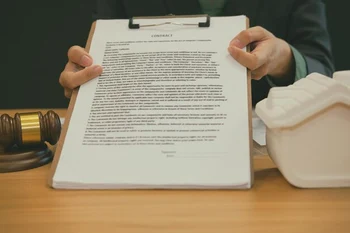
Misleading clauses are provisions in contracts that can be confusing or fraudulent, presenting information in an ambiguous or distorted manner. These clauses often hide unfavorable conditions for the buyer, such as hidden costs, cancellation penalties, or limitations on property rights. By not being clear, they can lead to misunderstandings that significantly affect the buyer's purchasing experience and economic investment. Identifying these clauses is crucial to avoid legal and financial issues in the future.
The impact of misleading clauses can be devastating; an unsuspecting buyer could assume financial commitments they were not prepared to face. For example, a clause that imposes unexpected increases in the mortgage or restrictions on the use of the property can limit the new owner's ability to fully enjoy their home. Additionally, these terms could lead to costly and prolonged litigation, adding even more stress to the already complicated process of acquiring a home. Being aware of these tricks is key to protecting your rights as a consumer and ensuring a fair and transparent transaction.
2. Main types of abusive clauses in real estate contracts.
One of the main types of abusive clauses in real estate contracts are those that limit or exclude the seller's liability for hidden defects in the property. These clauses are often drafted in such a way that the buyer waives their right to claim repairs or compensation if they discover structural problems or other issues after the purchase is completed. It is essential to read this type of provision carefully, as they can leave the buyer unprotected against eventualities that were not evident during the negotiation and that could involve significant future expenses.
Another commonly abusive clause is one that imposes disproportionate penalties for non-compliance. In many contracts, excessive sanctions are established if the buyer delays payment or decides to withdraw from the purchase under certain conditions. These clauses can not only be unfair but can also create considerable financial stress for the new owner. Therefore, it is essential to check the conditions related to deadlines and penalties before signing any agreement, thus ensuring a fairer and more transparent process in your purchasing experience.
3. Warning signs: How to identify problematic clauses?
Identifying problematic clauses in a home purchase contract can be complicated, but there are warning signs that can help you protect yourself. One of the first things to consider is the confusing or technical language used. If a clause seems to be written to confuse rather than clarify, it may be intended to hide important information. Pay attention to vague terms like "may" or "might," as they can indicate unfavorable conditions that are not clearly defined. Additionally, if you find clauses that limit your rights, such as waiving future claims or accepting additional charges without prior notice, you should question them and seek legal advice. Another key indicator is unreasonable conditions related to payments and timelines. Carefully review any clause that imposes excessive penalties for payment delays or unfavorable financing conditions. For example, if you are required to pay a significant additional amount for canceling the purchase or if they establish fluctuating interest rates without adequate protection, these may be warning signs of unfair practices. Transparency is vital; if the seller is not willing to clearly explain every aspect of the contract, consider this a red flag and seek clarity before committing.
It is always advisable to seek the support of a real estate professional or a specialized attorney when reviewing any document related to the purchase of a home. They can help you decipher the legal complexities and point out any clauses that could be detrimental to you. Do not underestimate the importance of this step; investing time in the thorough review of the contract can save you significant financial and legal problems in the future. Remember, your home should be a safe and reliable place, so make sure you fully understand what you are signing before taking the next step toward your new life.
4. Buyer’s rights: What you need to know before signing.
Before signing any purchase agreement, it is essential that you know your rights as a buyer. These rights are designed to protect you and ensure that the transaction is conducted fairly and transparently. Among them, the right to receive clear and complete information about the legal and physical status of the property stands out. This includes details about encumbrances, liens, as well as the structural condition of the property. Never hesitate to request this information; a serious seller should provide it to you without any issues.
It is also important to know that you have the right to negotiate the terms of the contract before signing it. Not everything in a legal document is set in stone; often there is room to discuss terms that may seem unfavorable or confusing. You also have the right to have legal advice during this process, which can be essential for understanding the nuances of the contract and avoiding unpleasant surprises later on. Knowing your rights empowers you and allows you to approach the purchase of your home with greater security and confidence.
5. Legal consequences of accepting misleading clauses.
Accepting misleading clauses in the purchase of a home can lead to serious legal consequences that affect both your rights as a buyer and the integrity of the transaction. These clauses, designed to confuse or limit the seller's responsibilities, can result in unexpected obligations for the buyer, such as hidden additional costs or unclear commitments. In many cases, these provisions may be considered null and void by the courts, but the process to challenge them can be lengthy and complicated. Furthermore, facing litigation for these reasons could involve significant legal expenses and emotional strain that could have been avoided with a better understanding of the contract.
It is crucial to be prepared to defend your rights against misleading clauses. While some buyers may think that the repercussions are minimal if not detected in time, the reality is that accepting such terms could lead you to lose not only money but also your home. Legislation protects consumers from unfair practices; however, it is up to you to know the relevant laws and to act proactively in reviewing contractual documents. Therefore, it is advisable to seek the advice of a real estate professional or a specialized attorney before signing any agreement. In this way, you can ensure that you are making informed decisions and protecting your long-term investment.
6. Effective strategies for negotiating contracts without surprises.
Negotiating home purchase contracts can be challenging, but employing appropriate strategies can minimize unpleasant surprises. First, it is essential to conduct thorough research on the real estate market and the type of property you are interested in. Knowing the average prices and the history of the home will give you a solid foundation for your negotiations. Additionally, do not hesitate to seek specialized legal advice before signing any documents; an experienced lawyer can identify misleading clauses that might go unnoticed and offer you fairer alternatives.
Another effective strategy is to prepare a clear list of your priorities and limits before starting the negotiations. Establishing what aspects are essential for you, such as price, delivery dates, or additional conditions, will give you clarity during the discussion. Additionally, maintain open and honest communication with the seller; this not only builds trust but also facilitates the resolution of potential conflicts. Remember that negotiation is a collaborative process where both parties aim to reach a mutually beneficial agreement; so keep a flexible attitude and be willing to find creative solutions that avoid surprises in the final contract.
7. The importance of having legal advice when buying a home.
Having legal advice when buying a home is essential to protect your interests and ensure that the acquisition process is conducted transparently and fairly. A lawyer specialized in real estate law can help you review each clause of the contract, identifying those that could be misleading or harmful. Additionally, their experience will allow you to better understand the complex legal terms that often appear in these documents, which is crucial to avoid unpleasant surprises in the future. Legal advice not only provides you with security but also empowers you as a buyer, giving you the necessary tools to make informed decisions. Furthermore, a legal professional can act as a mediator between you and the seller or real estate agency, ensuring that all parties fulfill their contractual obligations. This includes verifying the legal status of the property, ensuring that it is free of encumbrances or liens that could compromise your investment. In a market where misleading clauses may be hidden under confusing technical language, having someone advocate for your rights is essential to avoid future conflicts and ensure a satisfactory purchase. Remember that investing in legal advice is a wise decision that can save you time, money, and many complications in the long run.
8. Useful resources and where to find help in case of legal issues.
In situations where misleading or abusive clauses are suspected, having adequate resources and information is essential. There are various organizations and platforms that offer free or low-cost legal advice for those in the process of buying a home. Government institutions, consumer associations, and nonprofit entities can be valuable allies in the search for answers. Additionally, many attorneys specializing in real estate law provide initial consultations that can help you better understand your rights and the implications of any clause you do not fully comprehend.
It is also advisable to seek information about online groups or forums where buyers share their experiences and practical advice about the home buying process. These communities can provide invaluable information about what to expect and how to navigate complicated situations. Do not hesitate to turn to these resources if you find yourself facing a legal dilemma; knowing where to seek help can make the difference between a successful purchase and a prolonged issue. Stay alert and empowered to advocate for your interests during the buying process, ensuring a safe and fair investment in your future home.
Most viewed articles in the category Legal Aspects

Legal implications of confidentiality clauses in contracts
Discover the legal implications of confidentiality clauses in contracts and how they affect your business. Protect your valuable information today..
Legal consequences of force majeure clauses in contracts
Discover the legal implications of force majeure clauses in contracts and how they can affect your rights and obligations..

Legal consequences of errors in the drafting of deeds
Discover the serious legal consequences that can arise from errors in drafting deeds and how to avoid them to protect your interests..

Consequences of the lack of formality in legal contracts
Discover the serious consequences of not formalizing legal contracts. Protect your interests and avoid conflicts with this essential guide..